

T-Mobile vs. Verizon: Which is Right for You?

November 21, 2024
December 18, 2025
.png)
Choosing the perfect cell phone carrier is no small task. With T-Mobile and Verizon standing as two of the biggest players in the U.S. market, the decision can feel overwhelming. But don’t worry! We’re breaking it all down in this simple, fun, and easy-to-read guide to help you make the best choice based on your needs. Plus, we’ll show you how Goji can make the process even easier.
Unlimited Plans: What You’ll Pay
Both T-Mobile and Verizon offer unlimited plans that range from budget-friendly basics to premium, all-in options with extra perks. If you just want the numbers upfront, here’s a look at their top unlimited plans and current pricing.
T-Mobile Unlimited Plans
T-Mobile Essentials Saver — $55/mo
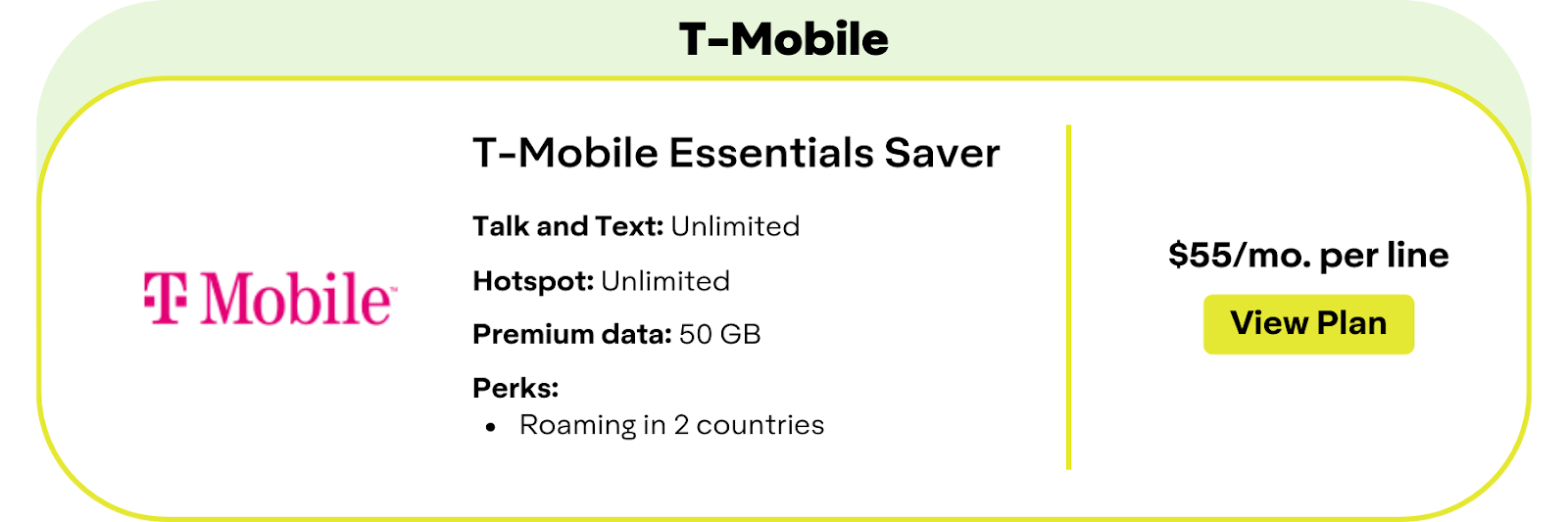
T-Mobile Experience More — $90/mo
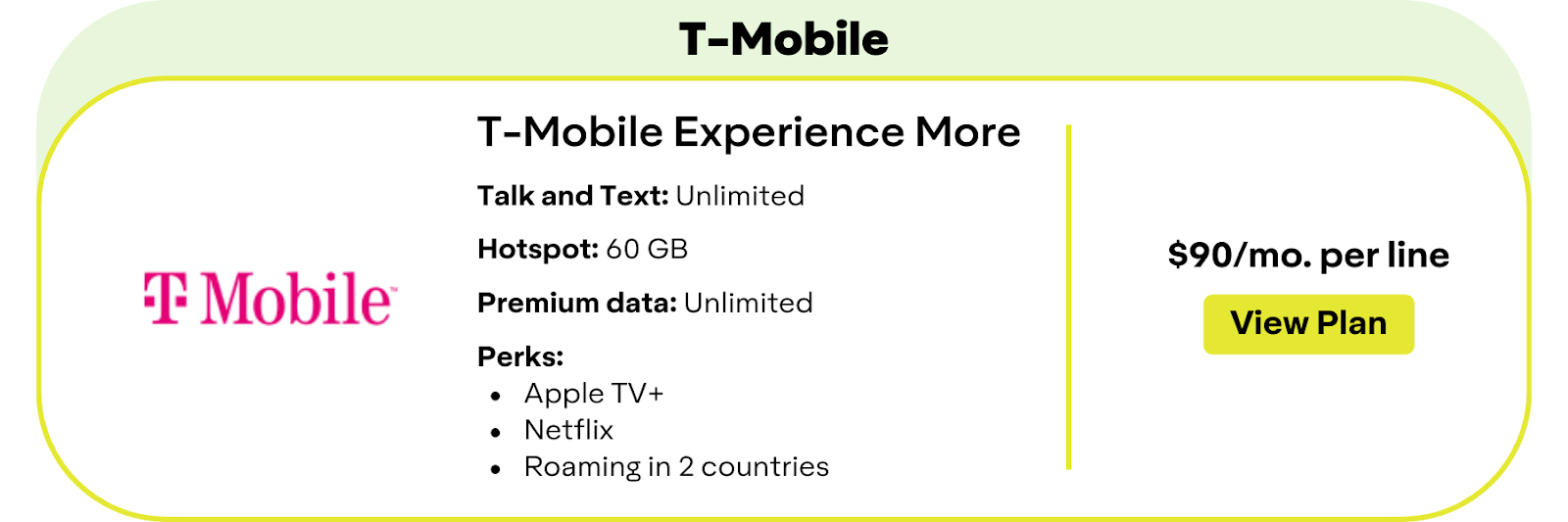
T-Mobile Experience Beyond — $105/mo
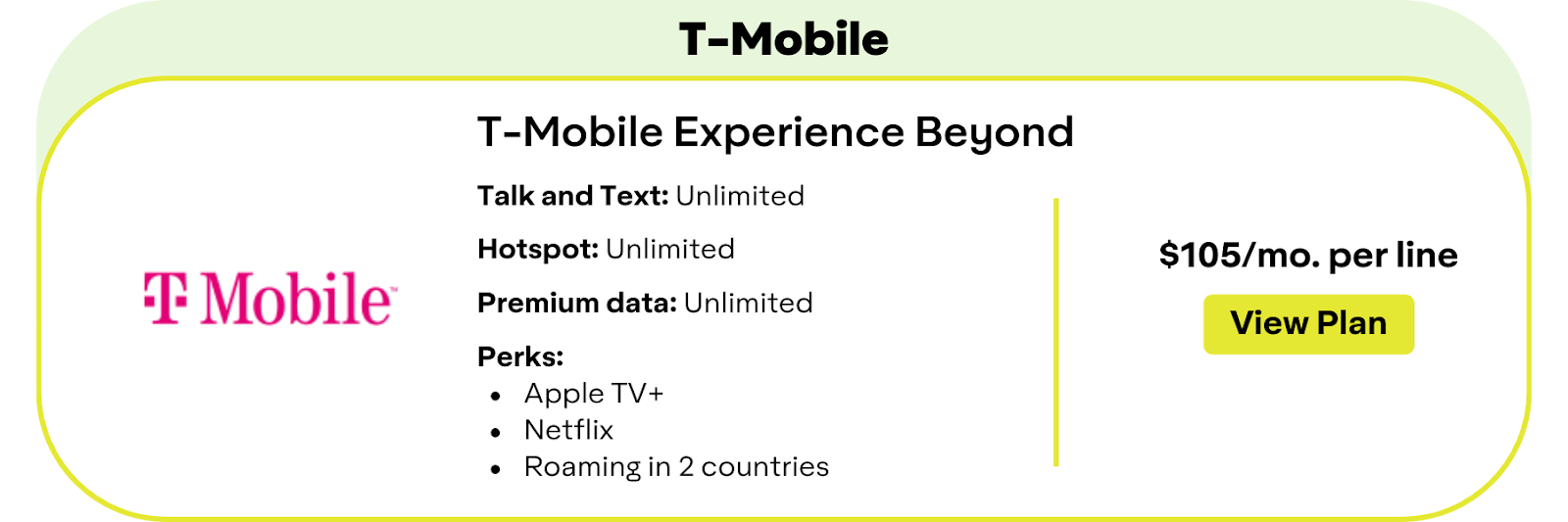
Verizon Unlimited Plans
Verizon Unlimited Welcome — $65/mo
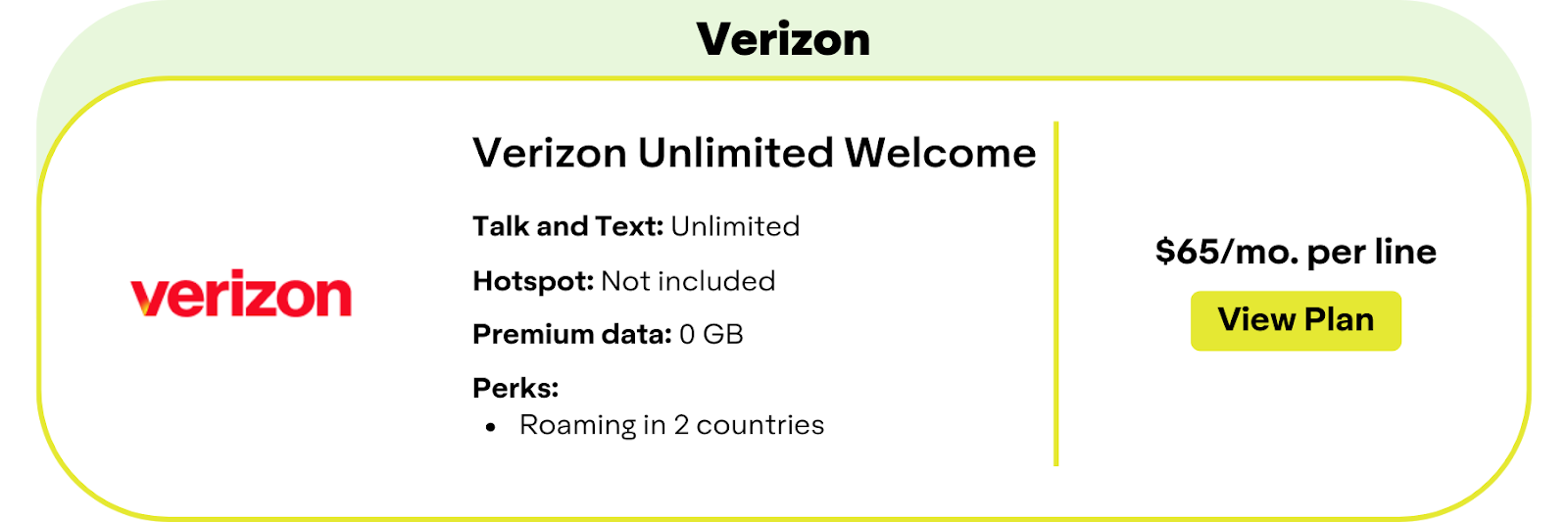
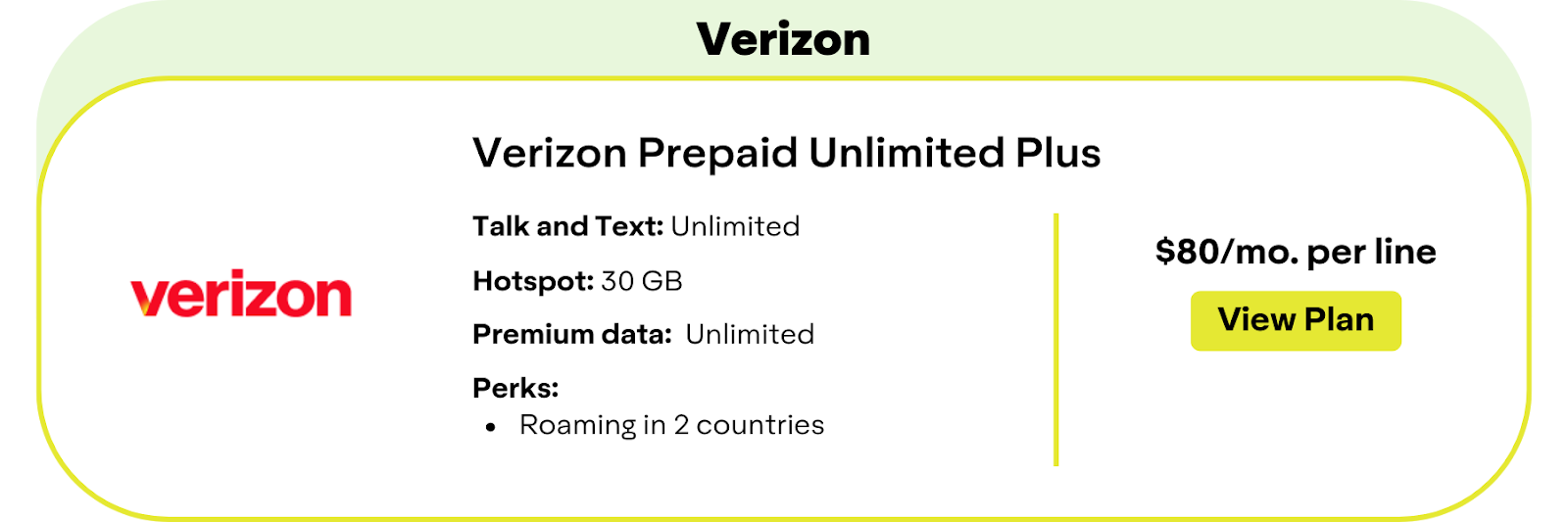
Verizon Unlimited Plus — $80/mo
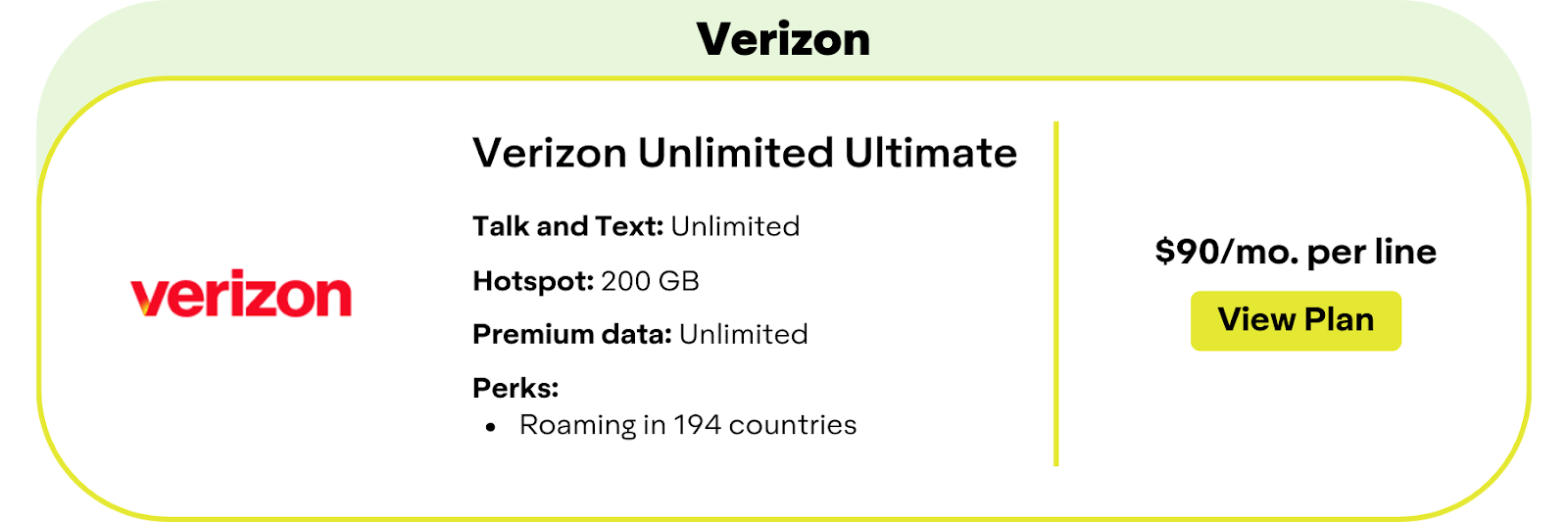
Verizon Unlimited Ultimate — $90/mo
Family Plans (4 Lines)
If you’re shopping for multiple lines, this is where pricing differences really stand out — especially once you factor in taxes, fees, and flexibility.
T-Mobile Family Plans
- Essentials: $105/mo for 4 lines
- Experience More: $170/mo for 4 lines
- Experience Beyond: $215/mo for 4 lines
Verizon Family Plans
- Unlimited Welcome: $100/mo for 4 lines
- Unlimited Plus: $160/mo for 4 lines
- Unlimited Ultimate: $200/mo for 4 lines
Simplicity vs. Customization
T-Mobile = Simple, predictable pricing
Taxes and fees are included with most plans, so the price you see is (finally!) the price you pay.
Verizon = Build-your-own flexibility
Their mix-and-match system lets each family member choose their own plan — a win for customization, but it can make the final bill a bit trickier.
Not Sure Which Plan Fits Your Budget?
Goji compares T-Mobile and Verizon plans in seconds, pulling real pricing, perks, and coverage so you can instantly find the best deal for your needs.
Plans & Pricing Comparison
When it comes to choosing a phone plan, the sticker price is only part of the story. Monthly costs can change quickly once you factor in premium data limits, mobile hotspot access, perks, taxes, and family discounts. That’s why comparing T-Mobile and Verizon isn’t just about which plan is cheaper — it’s about which plan gives you the most value for how you actually use your phone.
Both carriers offer multiple unlimited plans, ranging from no-frills options to premium plans packed with extras. Below, we break down what you’ll pay, what you’ll get, and where each carrier shines — so you can quickly see which option makes the most sense for your lifestyle (and your budget).
T-Mobile vs. Verizon: Plan Snapshot
Coverage Comparison: T-Mobile vs. Verizon
Coverage can make or break your phone experience — and while both T-Mobile and Verizon have nationwide networks, they excel in different places. The right choice often depends on where you live, work, and travel most.
Here’s how the two carriers stack up today.
4G LTE Coverage
Verizon continues to lead in overall 4G LTE reliability, especially in rural and remote areas. If you spend a lot of time outside major cities, Verizon’s LTE footprint is often more consistent and dependable.
T-Mobile has significantly improved its LTE coverage over the past few years, with strong performance in urban and suburban areas, though it may still lag slightly behind Verizon in very rural regions.
T-Mobile LTE Coverage Map
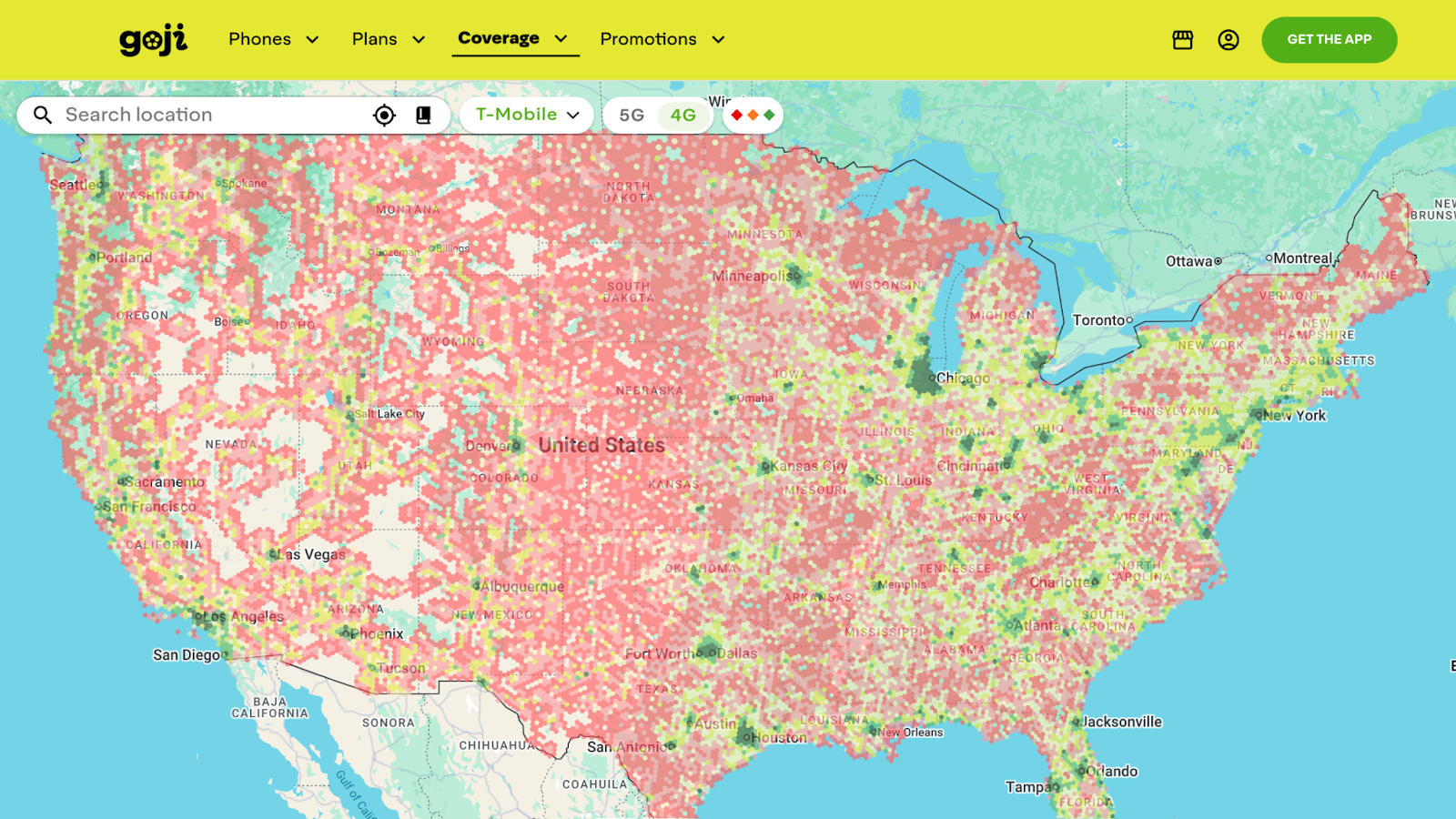
Check out T-Mobile’s coverage map here.
Verizon LTE Coverage Map
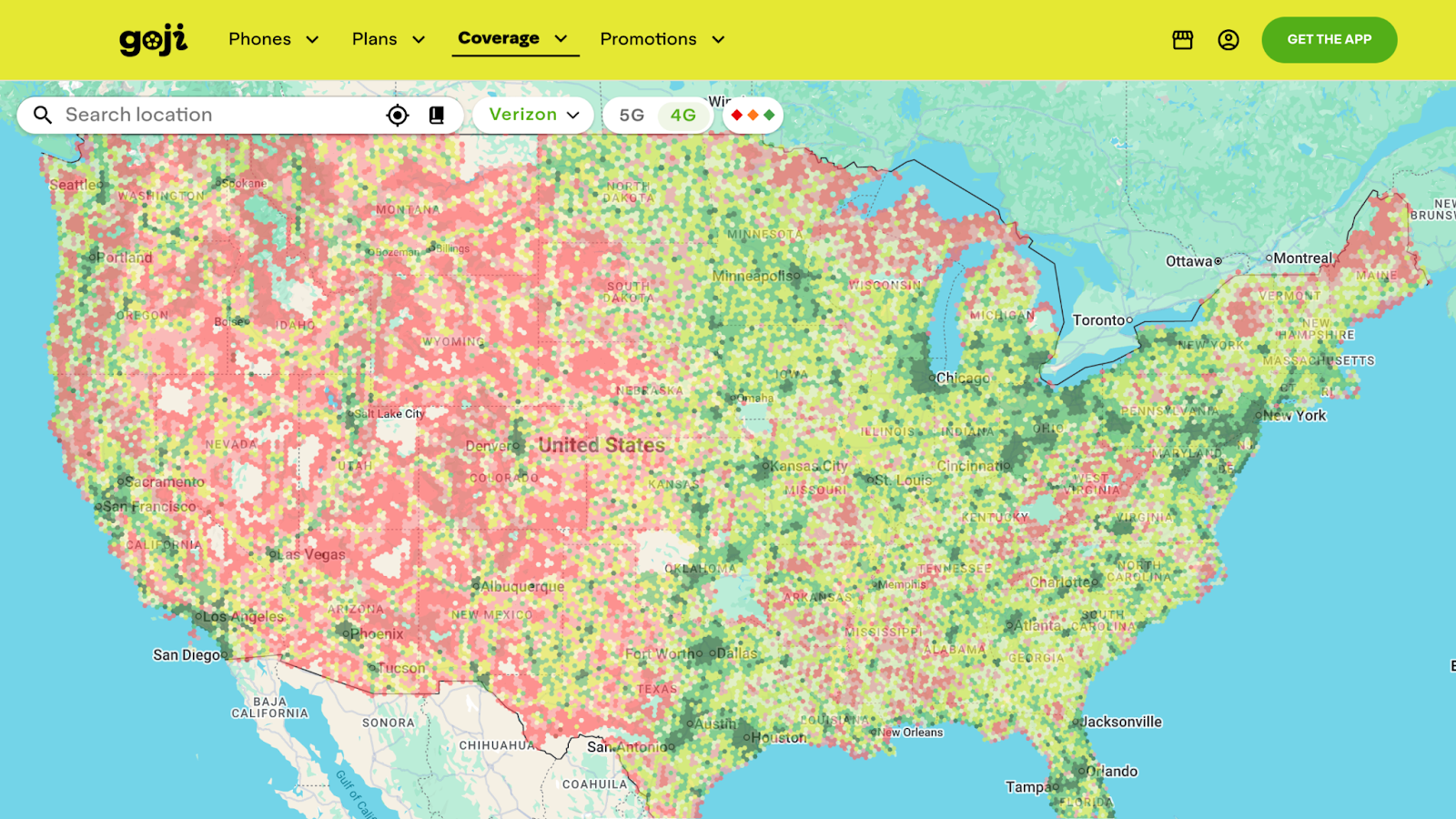
Check out Verizon’s coverage map here.
5G Network Coverage
When it comes to 5G, T-Mobile is the clear leader in availability. Its mid-band 5G network covers a large portion of the U.S., offering a strong balance of speed and range that works well for everyday use.
Verizon’s 5G Ultra Wideband delivers some of the fastest peak speeds in the industry — but it’s currently limited to select cities, stadiums, and dense urban areas. Outside those zones, Verizon users may fall back to LTE or standard 5G.
T-Mobile 5G Coverage Map
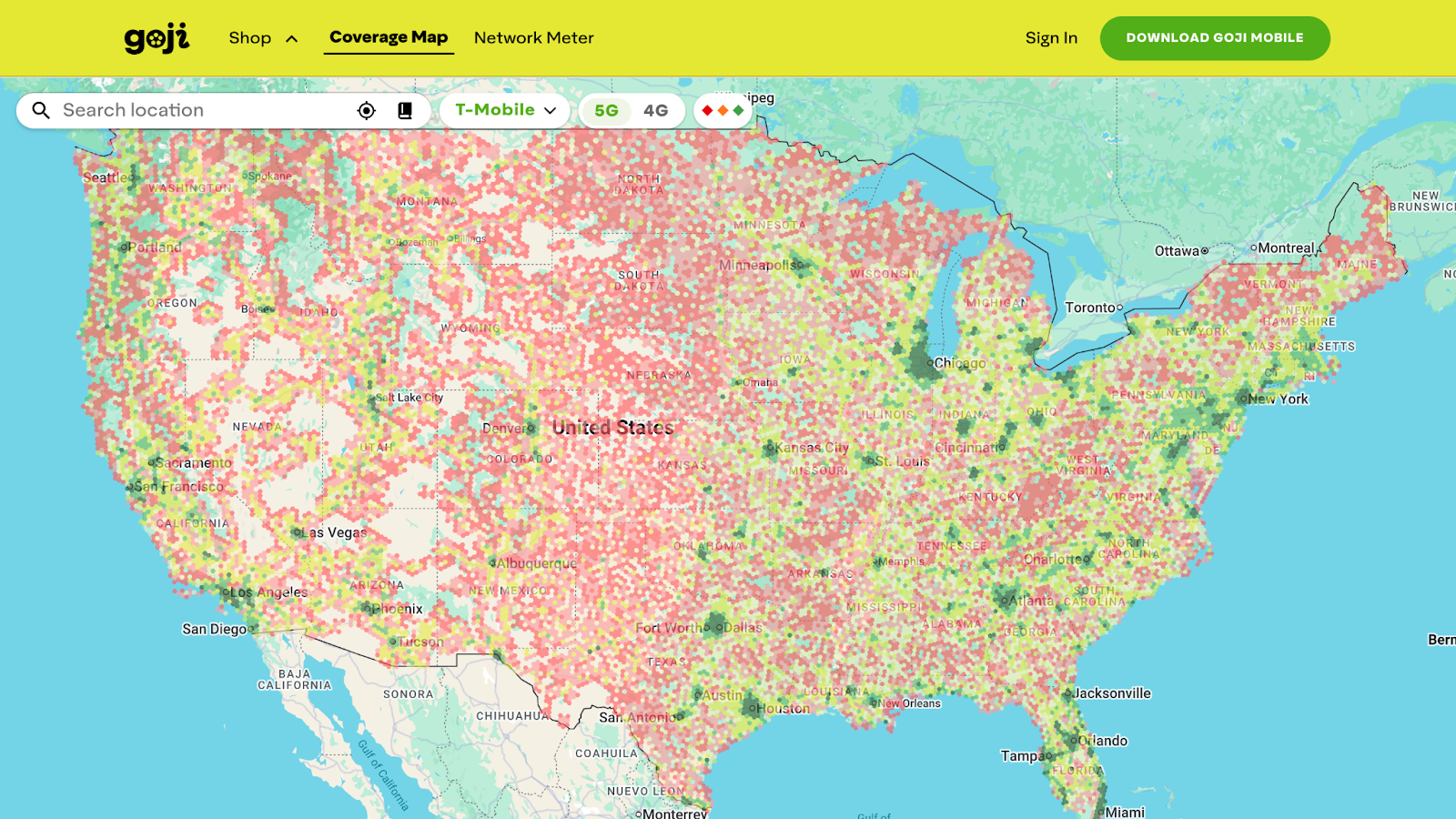
Check out T-Mobile’s coverage map here.
Verizon 5G Ultra Wideband Map
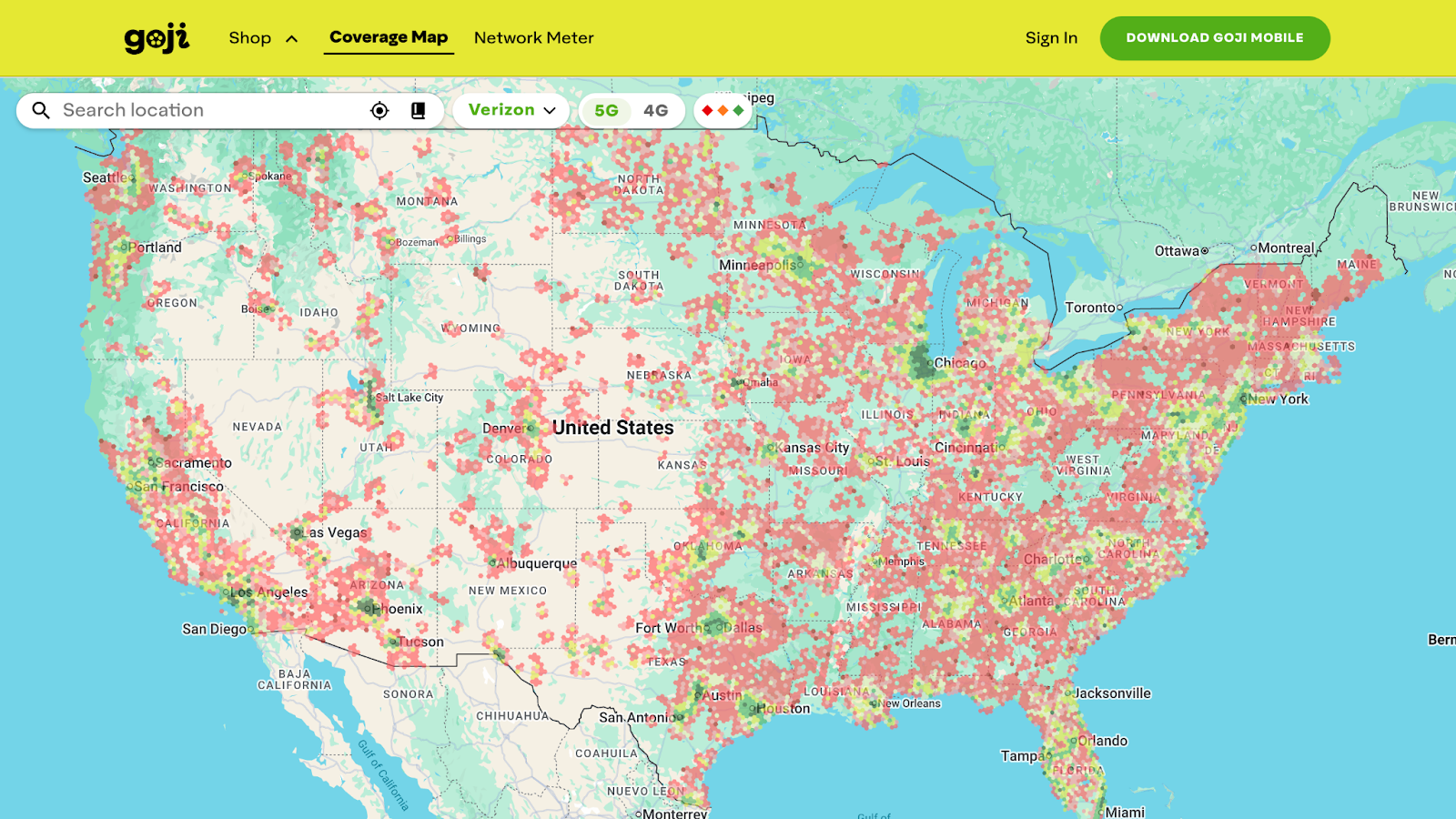
Check out Verizon’s coverage map here.
Find the Best Coverage Near You with Goji
National coverage maps are helpful — but they don’t tell you how a network performs where you actually use your phone.
That’s where Goji comes in.
With Goji’s Coverage Map, you can compare T-Mobile and Verizon coverage by entering real addresses — like your home, workplace, gym, or favorite travel spots. We’ll show you which carrier performs best in your daily life, not just on a nationwide map.
Want to see coverage in your area? Try Goji’s Coverage Map and find your best network in seconds.
Connectivity Beyond the Grid
Satellite Connectivity: Coverage When Cell Towers Can’t Reach
Dead zones are becoming less of a dealbreaker thanks to satellite connectivity — and this is one area where T-Mobile currently has a head start.
Instead of relying solely on traditional cell towers, satellite-enabled plans allow your phone to stay connected in remote areas like national parks, rural highways, or during emergencies when networks are congested.
T-Mobile Satellite Connectivity (Powered by Starlink)
T-Mobile’s satellite service — often referred to as T-Satellite — is already live in a limited beta. It’s designed to keep you connected when you’re completely outside cellular coverage.
- Status: Live / Beta
- What it supports: Text messaging (with voice and data planned in future phases)
- How you get it:
- Included with Experience Beyond plans
- Or available as an add-on for around $10/month
- Included with Experience Beyond plans
This makes T-Mobile one of the first major carriers to offer satellite connectivity directly to standard smartphones — no special device required.
Verizon Satellite Connectivity (Rolling Out Now, Expanding Soon)
Verizon is taking a different approach through its partnerships with AST SpaceMobile and Skylo, combining early satellite messaging today with broader direct-to-cell coverage planned for the future.
- Status: Limited satellite messaging available now on select devices; broader rollout targeting 2026
- Potential advantage: Low-band spectrum may allow for better indoor and terrain penetration compared to other satellite solutions
- Current reality: Satellite messaging and emergency features are available on select phones, but full voice and data connectivity via satellite is not yet widely available
While Verizon’s solution shows strong long-term potential, most users will see more limited satellite functionality for now.
Which Carrier Is Better for Off-Grid Coverage?
- Choose T-Mobile if you want satellite connectivity today or plan to travel in remote areas.
- Choose Verizon if you’re comfortable waiting and prioritize future network evolution.
As satellite coverage continues to roll out, this feature is quickly becoming a major deciding factor — especially for travelers, outdoor enthusiasts, and emergency preparedness.
Network Speeds & Performance
Speed can make or break your experience. Here’s how T-Mobile and Verizon speeds compare:
- T-Mobile 5G Speed: T-Mobile generally delivers faster average 5G speeds thanks to its extensive mid-band network.
- Verizon 5G Speed: Verizon’s mmWave technology delivers higher peak speeds but is less widely available.
Which Carrier Fits Your Needs?
If you rely on fast, reliable speeds for gaming, streaming, or working on the go, T-Mobile might be your best bet for broader 5G coverage. However, if you’re in a location where Verizon’s Ultra Wideband is available, you’ll experience some of the fastest speeds in the industry.
Perks & Extras
Everyone loves perks, and both T-Mobile’s and Verizon’s perks bring plenty to the table. Here’s a breakdown:
- T-Mobile Perks: Select plans include Netflix and Apple TV+, along with unlimited texting and data in 215+ countries.
- Verizon Perks: Add-ons like the Disney Bundle (Disney+, Hulu, ESPN+) and more robust mobile hotspot data options.
Find Plans with Perks Using Goji
With Goji, you can easily filter plans based on the perks that matter most to you, like streaming services, international roaming, or mobile hotspot data.
Want to take it a step further? Try ChatBarry, our AI Matchmaker. Simply tell Barry what perks you’re looking for—like Netflix or international roaming—and he’ll help you find the perfect plan in no time.
Why settle for a plan that doesn’t fit your lifestyle? Let Goji guide you to the perks you actually want.
Customer Support & Satisfaction
When it comes to keeping customers happy, T-Mobile and Verizon customer service both stand out—but they shine in different ways:
- T-Mobile Customer Service: T-Mobile is known for its friendly and approachable support. Whether you prefer visiting a store, chatting online, or calling their team, help is always within reach. Their Un-carrier initiative emphasizes putting customers first, which resonates well with many users.
- Verizon Customer Service: Verizon earns slightly higher marks for its streamlined digital tools. Their website and app are intuitive, offering a user-friendly experience for managing your account, troubleshooting, or getting quick answers to questions.
Device Compatibility & Upgrades
Switching carriers doesn’t mean you need a new phone. Both T-Mobile and Verizon support Bring Your Own Device (BYOD) on their modern LTE and 5G networks — including most unlocked smartphones released in recent years.
Bring Your Own Device (BYOD)
T-Mobile BYOD:
T-Mobile tends to be slightly more flexible when it comes to unlocked devices, making it easy to bring your phone over. Most modern phones work seamlessly, and T-Mobile often runs BYOD promotions like prepaid cards or bill credits for switching.
Verizon BYOD:
Verizon also supports most modern unlocked phones on its LTE and 5G networks, but compatibility can vary by device model and band support. It’s a good idea to run a quick compatibility check before switching. Verizon occasionally offers activation fee waivers or promotional credits for BYOD customers.
New Devices & Upgrades
Both carriers offer a wide selection of the latest smartphones, tablets, and accessories — including frequent upgrade deals and trade-in offers. These promotions are often tied to specific plans, so it’s worth comparing carefully before upgrading.
Pros & Cons Summary
Here’s a refreshed breakdown of the biggest strengths and trade-offs for each carrier, based on pricing, coverage, performance, and perks.
T-Mobile Pros
- Extensive 5G coverage: Leads in nationwide 5G availability thanks to its mid-band network.
- Strong average speeds: Delivers consistently fast 5G performance in many areas.
- Competitive pricing across tiers: Excellent value at entry and mid-range levels, with premium plans offering more included perks.
- Perks included: Netflix, Apple TV+, and international texting with basic data on select plans.
- Simple family pricing: Lower bundled pricing and taxes included on many plans.
T-Mobile Cons
- Rural coverage gaps: LTE coverage can still lag behind Verizon in very rural or remote areas.
- Premium plans are pricey: Top-tier plans can cost more than comparable Verizon options.
Verizon Pros
- Best rural coverage: Strong LTE network makes Verizon a reliable choice outside major cities.
- Reliable network performance: Known for consistency and dependability.
- Flexible family plans: Mix-and-match options let each line choose a different plan.
- Strong digital tools: User-friendly app and website for managing accounts and support.
Verizon Cons
- Higher prices on some plans: Especially once taxes, fees, and add-ons are included.
- Limited Ultra Wideband availability: Fastest 5G speeds are limited to select areas.
- Fewer perks included: Many extras require paid add-ons rather than being bundled.
FAQ: T-Mobile vs. Verizon
Still deciding between T-Mobile and Verizon? Here are answers to the most common questions people ask when comparing the two carriers.
Which carrier has better coverage in rural areas — T-Mobile or Verizon?
Verizon generally performs better in rural and remote areas thanks to its extensive 4G LTE network. If you live or travel outside major cities, Verizon is often the more reliable choice.
That said, T-Mobile has made major improvements, especially along highways and in suburban areas, so coverage can still vary by location.
What about 5G — who has better 5G coverage or performance?
T-Mobile leads in 5G availability, offering broader nationwide coverage through its mid-band 5G network.
Verizon delivers faster peak speeds in areas with 5G Ultra Wideband, but that coverage is limited to select locations.
In short:
- Choose T-Mobile for wider 5G coverage
- Choose Verizon for top-end speeds in supported areas
Does network reliability differ between carriers?
Both carriers are considered highly reliable, but they excel in different ways.
- Verizon is known for consistent performance and strong reliability, especially in rural regions.
- T-Mobile performs exceptionally well in cities and high-traffic areas, with strong speeds and growing reliability nationwide.
Your experience will ultimately depend on where you use your phone most.
Are T-Mobile’s plans cheaper than Verizon’s?
It depends on the plan. T-Mobile is often cheaper at the basic and mid-tier levels, especially when you factor in included perks and taxes on some plans. However, T-Mobile’s top-tier plans can be more expensive than Verizon’s premium options. Neither carrier is always cheaper — it comes down to the specific plan and features you choose.
Which carrier offers better value for families or multiple lines?
T-Mobile usually offers better value for families, with lower bundled pricing and simpler billing.
Verizon offers more flexibility, allowing families to mix and match different plans for each line — which can be helpful, but may cost more.
What perks, streaming, or extras come with each carrier?
- T-Mobile perks: Netflix, Apple TV+, international texting and data (on select plans)
- Verizon perks: Disney Bundle (Disney+, Hulu, ESPN+) as add-ons, plus higher hotspot allowances on premium plans
The better option depends on which perks you’ll actually use.
Can I easily keep my existing phone if I switch to T-Mobile or Verizon?
Yes. Both carriers support Bring Your Own Device (BYOD) programs.
Most unlocked phones are compatible with T-Mobile, while Verizon’s LTE and 5G networks now support the majority of modern devices as well.
Category:


