


You can absolutely play Pokémon GO on almost any modern phone. But if you play a lot, you already know the truth: not all phones are up for the challenge. You’re out in the sun. Your screen is dim. Your battery is melting. Your GPS thinks you are in a lake. The raid egg is hatching. It’s intense.
Pokémon GO is sneaky. It doesn’t seem like a heavy game, but it hits your phone from every angle: GPS, data, screen brightness, and constant loading.
The right phone makes a huge difference for Pokémon GO:
- Accurate GPS so your avatar stays on the path, not drifting into random backyards.
- Big, reliable battery so you can finish Community Day without hunting for an outlet.
- Bright, smooth screen so you can see gyms and spawns in direct sunlight.
- Strong performance, so the game stops stuttering in raids.
- Good carrier coverage, so your signal doesn’t drop right as you find a Mewtwo.
That’s where Goji comes in like a Lucky Egg. We help you match the right phone with the right carrier and plan, so your Pokémon GO life works in the real world, not just on paper.
What to Look For in a Phone for Pokémon GO
What makes a phone great for Pokémon GO is a little different from what you might pick for selfies or streaming. You are walking around, screen cranked up, GPS running nonstop, and your signal jumping between towers while you chase spawns.
So before you grab the nearest shiny new phone, here are the key features that actually keep the game smooth, your battery alive, and your trainer ready for long days of raids and Community Days.
Battery life
Pokémon GO is basically a marathon for your battery. The game keeps GPS running, pings the network, lights up the screen, and keeps the processor awake.
A large battery helps you get through Community Day, raid hours, or long walks without dropping to five percent halfway through. Plus, efficient chips use less power for the same performance, which means fewer emergency “battery saver” moments.
Good cooling reduces overheating, which can lead to performance drops and even more battery drain.
When your phone overheats, you might notice:
- Choppy animations.
- Slower loading when entering gyms or raids.
- Touch input feeling laggy.
Your carrier and plan also play a role. In areas with poor coverage, your phone works harder to keep a signal, which drains power faster. A strong network in your usual play areas helps your battery hold up during long outdoor sessions.
Display quality and refresh rate
Pokémon GO is played outside more than almost any other mobile game. Your screen has to fight sunlight and constant movement.
Key display factors
Brightness: A bright screen keeps the map, gyms, and Pokémon visible in direct sun. If you’ve ever shaded your screen with your hand to find a PokéStop, you know why this matters.
Refresh rate: A higher refresh rate makes animations, map movement, and Poké Ball throws feel smoother. It doesn't magically make you better at curveballs, but it makes the experience feel nicer.
Screen size vs comfort: A larger screen makes tapping gyms, raids, and small spawns easier. However, the trade-off is more weight and bulk. If you walk for hours, a slightly smaller, lighter phone might be more comfortable. Pick a size that fits your hand and pocket, not just the biggest screen option.
Performance, GPS, and sensors
Pokémon GO is more than pretty graphics - although they are pretty great. It leans heavily on:
Processor and RAM: A modern chip and enough RAM keep the game responsive when you’re bouncing between gyms, raids, and menus.
GPS accuracy: Bad GPS means your avatar “drifts” away from where you are. That can make you miss spawns or spin the wrong PokéStop.
Sensors: The compass, accelerometer, and gyroscope help with features like AR and map orientation.
Many players with older phones report slow loading into raids, lag during crowded events, and overheating after about 30 minutes of play. A modern mid-range or flagship phone with good GPS and sensors makes the game feel much smoother.
Your carrier still matters here. A strong signal helps your phone stay synced with the game servers. If your network constantly drops, even the best chip can’t save you.
Carrier compatibility and coverage
You can buy the greatest Pokémon GO phone on earth. If your coverage in parks, neighborhoods, or downtown is terrible, the experience falls apart.
Here is what to think about:
- Coverage in your real play areas: Parks, city centers, campus, rural trails. That is where raids and events happen, and where you need a strong signal the most.
- Unlocked vs carrier-locked phones: Unlocked phones let you switch carriers easily. That is perfect if you use Goji to move to a carrier that has better coverage in your favorite play spots.
- 5G support: You don’t need extreme speeds for Pokémon GO, but a solid 4G or 5G signal makes loading faster and helps the game feel responsive.
Goji’s coverage tools help you match your phone to a carrier that actually works in your real-world routes, not just in a marketing map. Try Goji’s Coverage Map for free.
Top Phone Picks for Pokémon GO
Goji pulled together a lineup of phones that treat Pokémon GO the way you do: like a serious hobby, not a “once in a while” app. You’ll see premium flagships, mid-range all-stars, and budget-friendly options, each with a clear “ideal trainer” match.
Samsung Galaxy S25 Ultra

The Galaxy S25 Ultra is a powerhouse for trainers who want the best of everything.
Why it’s great for Pokémon GO:
- A large 6.9 inch display with a fast refresh rate helps raids and map movement look smooth and clear.
- The large battery gives you serious stamina for long events and raid trains.
- The Snapdragon 8 Elite chip delivers fast performance even in busy, gym-packed areas.
Trade-offs:
- This phone is big, so one-handed play can feel awkward for smaller hands
- It’s also a premium phone; the cost reflects its flagship status.
Great choice for:
- Perfect for the hardcore trainer who plays almost daily, attends raid hours, participates in Community Days, and wants the smoothest possible gameplay with a huge, bright screen.
Apple iPhone 17 Pro
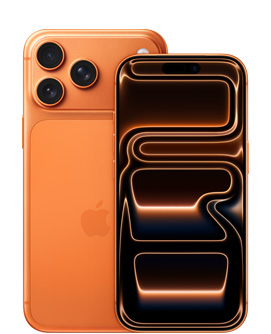
If you live in the Apple world, the iPhone 17 Pro is built for long-term gaming life.
Why it’s great for Pokémon GO:
- 6.3 inch OLED screen makes Pokémon GO look crisp and fluid.
- The A19 Pro chip gives you strong performance and efficiency.
- Apple’s long software support means this phone should handle future game updates for many years.
- Tight integration with accessories, iCloud, and other Apple gear. If you already use other Apple products, this phone makes Pokémon GO feel polished and stable.
Trade-offs:
- iPhones can cost more than other options
- iOS offers fewer deep customization options compared to Android.
Great choice for:
The player who is loyal to iOS, plays often, and wants a phone that will stay supported and smooth across many Pokémon GO seasons.
Google Pixel 9a
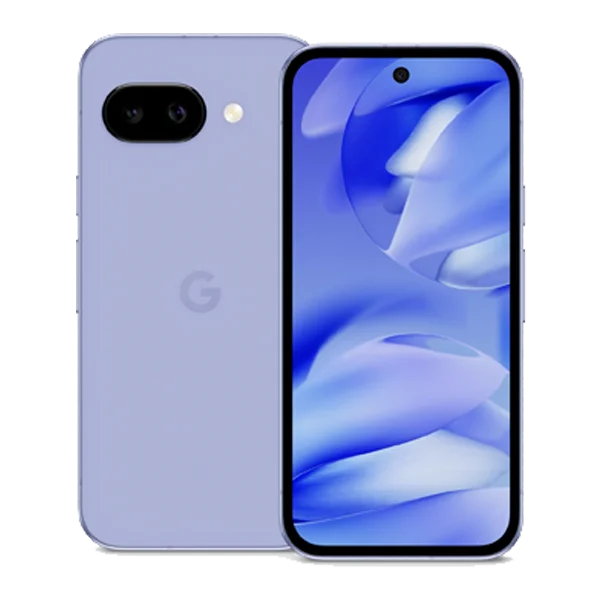
The Pixel 9a lands in a sweet spot between performance and price.
Why it’s great for Pokémon GO:
- Around 6.3 inch OLED display keeps the game looking sharp.
- The chip delivers more than enough power for everyday Pokémon GO play.
- A solid battery size helps you last through long walking sessions.
- This phone focuses on smart software and good real-world performance rather than flashy extras.
Trade-offs:
- You may not get every premium feature of top-tier flagships.
- The refresh rate might not match higher-end models across all variants.
Great choice for:
- Great for mid-range gamers who play regularly, want solid battery life, and appreciate clean software without paying top-flagship prices.
OnePlus Nord N30 5G
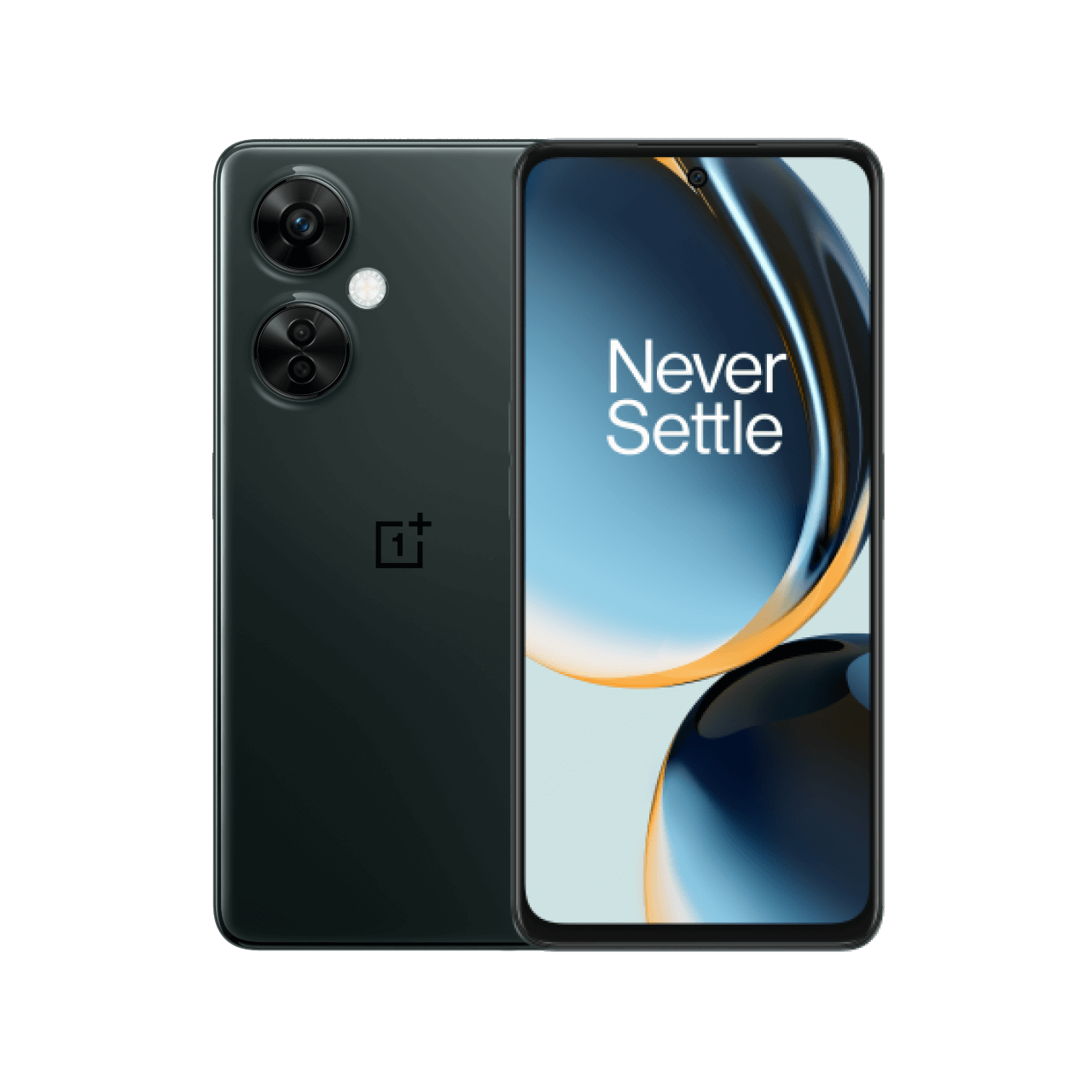
The OnePlus Nord N30 5G brings real gaming-friendly specs at a friendly cost.
Why it’s great for Pokémon GO:
- A 6.72 inch display keeps movement and throwing smooth.
- Contains a capable chip for Pokémon GO’s demands.
- 5,000 mAh battery plus 50 W fast charging lets you top up quickly before heading out.
- You get a lot of practical performance for the money, which is exactly what many trainers want.
Trade-offs:
- Camera quality and premium materials may not match higher-end phones
- Long-term software support can be shorter than the big flagships.
Great choice for:
- Perfect for younger or budget-conscious players who play often, want smooth gameplay, and care more about performance and battery than luxury finishes.
Samsung Galaxy A36 5G
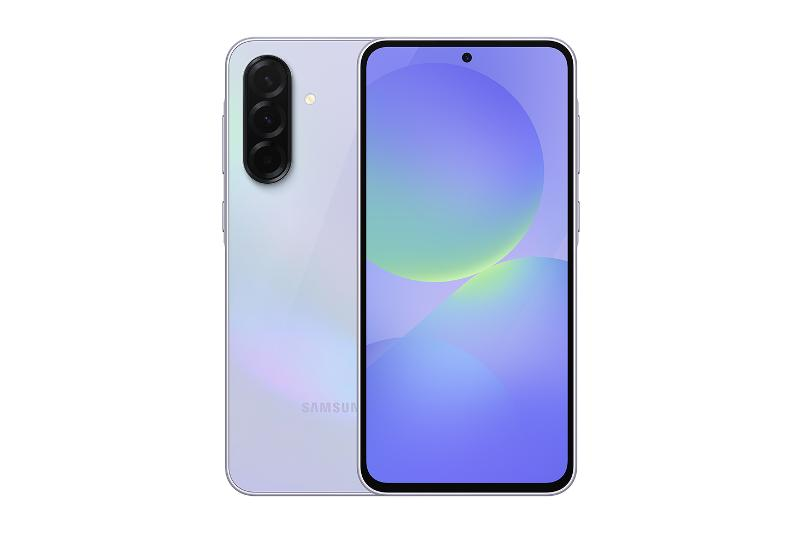
Why it’s great for Pokémon GO:
- The Galaxy A36 5G is a budget-friendly gateway into smooth Pokémon GO play.
- 6.7 inch screen gives you a bright, fluid look at the game.
- Solid battery supports long walks and casual grinding.
- Solid mid-range specs make day-to-day gameplay dependable.
Trade-offs:
- You might notice slower performance compared to flagships during intense multitasking, but for Pokémon GO, it delivers more than enough for most casual to moderate players.
Great choice for:
- Great for new trainers, families buying a “Pokémon GO phone” for kids, or anyone who wants a dedicated outdoor gaming phone without a premium price tag.
The Icing on the Cake: Choosing the Right Plan for Your Gaming Phone
Your phone is only half the story. Pokémon GO is an online game, so your carrier and phone plan matter a lot. Here is how Goji helps:
- Coverage tools: See which carriers actually have strong signal in your usual parks, neighborhoods, and raid hubs.
- Plan comparison: Find plans that match how you play, from casual weekend walks to daily hardcore grinding.
- Easy switching: Start with the right phone, then move to the carrier that supports your training style.
Questions to ask yourself:
- How many hours per week do you typically play Pokémon GO outside?
- Do you mostly play in city centers, parks, suburbs, or rural areas?
- Do you participate in Community Day, raid hours, and events often?
- Would unlimited data give you peace of mind, or is a mid-range data plan enough?
Use Goji’s coverage map and comparison tools to pair your new phone with a plan that can actually keep up.
Gotta Catch “Em All? Goji Can Help
The best Pokémon GO setup is simple:
- A phone that can handle long sessions without lagging.
- A screen you can see in sunlight.
- A battery that survives events.
- A carrier and plan that keeps you online where you really play.
Goji helps you line all of that up. You pick your trainer style, and Goji helps you match it to the right phone and plan so you can focus on catching, raiding, and flexing your shinies.
Ready to upgrade your Pokémon GO experience? Check out Goji’s latest phone deals and plan comparisons to build your perfect trainer setup.
Frequently Asked Questions
Do I need a gaming phone to play Pokémon GO?
You do not need a phone with “gaming” branding to enjoy Pokémon GO. What you need is a reasonably modern processor, enough RAM to keep the game smooth, a solid battery, and good coverage on your carrier.
Many mid-range phones handle Pokémon GO very well, especially when paired with a carrier that offers stable coverage in your usual play areas.
How important are the carrier and coverage when I play outdoors?
Carrier and coverage are huge for outdoor gaming. Poor signal can cause GPS lag that makes your avatar jump around, slow loading, and extra battery drain as your phone struggles to hang on to a weak signal.
Using Goji’s coverage tools to match your phone with a strong carrier in your real-world routes can make the game feel smoother and more reliable.
Which phone features help extend gameplay time?
If you want to play longer before you plug in, look for:
- Large battery capacity.
- Fast charging, so you can top up before a big event.
- Efficient chipsets that run cool.
- Options in settings to lower graphics or refresh rate if needed.
Simple gameplay tips can also help:
- Carry a small power bank during long events.
- Close unused apps in the background.
- Turn off AR mode if you do not need it.
- Keep screen brightness high enough to see - but not at maximum - all day.
Can I use a mid-range phone and still enjoy raids and outdoor gameplay?
Absolutely. Many mid-range phones, like the Pixel 9a or Galaxy A36 5G, handle Pokémon GO just fine for daily play. The key is to match your phone’s power and battery, and how often you play.
Should I buy a locked phone or an unlocked one?
An unlocked phone gives you more freedom. You can move between carriers if you find better coverage for your favorite park or raid route. If you like flexibility and want to hunt for the best mix of price, coverage, and speed, unlocked is usually the more flexible path.