


In the 2000s, phones had tiny screens, physical keyboards, and web browsers that were nearly unusable (and expensive). Then Apple walked on stage, said “meet the iPhone - it's a phone, an iPod, and a computer,” and the whole industry was quite literally changed forever.
iPhone through the years - from that first touchscreen experiment to today’s Apple Intelligence era and the iPhone 17 family - has shaped what we expect from our phones: cameras, apps, mobile internet, and even our phone plans. Our standards and our phones have had a real glow-up.
The Early Years: Reinventing the Phone (2007-2009)
This is the origin story arc, where the iPhone goes from wild idea to full-on trendsetter. In just three years, Apple killed the keyboard, made touchscreens feel normal, and turned phones into little app machines you could customize for work, play, and travel.
iPhone (1st generation) - 2007
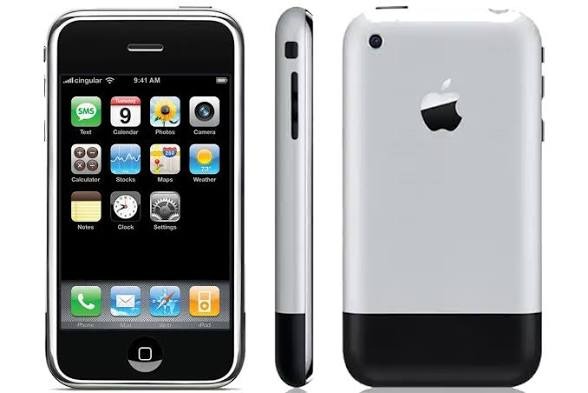
Back in 2007, smartphones looked like office equipment that accidentally learned to ring. You had BlackBerries with tiny keyboards, Windows Mobile bricks that needed a stylus, and web browsers that turned every site into a cursed text wall. Then Apple rolled up with the iPhone.
The first iPhone was the great disruptor. A 3.5 inch multi-touch display you could pinch and swipe with your fingers. No physical keyboard, no stylus, no 37-layer menu system.
Just a clean grid of icons and a browser that actually showed the real internet instead of a sad mobile knockoff. There was no App Store at launch, only Apple’s built-in apps and web apps, but nobody cared. Steve Jobs had already sold the dream: an iPod, a phone, and an internet communicator.
Culturally, this thing hit like a pop star’s surprise album. Overnight, people started expecting phones to feel fun, smooth, and a little magical. Big touchscreens became normal, hardware keyboards started packing their bags, and the idea of just checking something online on your phone stopped being painful.
The original iPhone didn’t join the smartphone race; it walked in, changed the game, and made everyone else catch up.
iPhone 3G – 2008
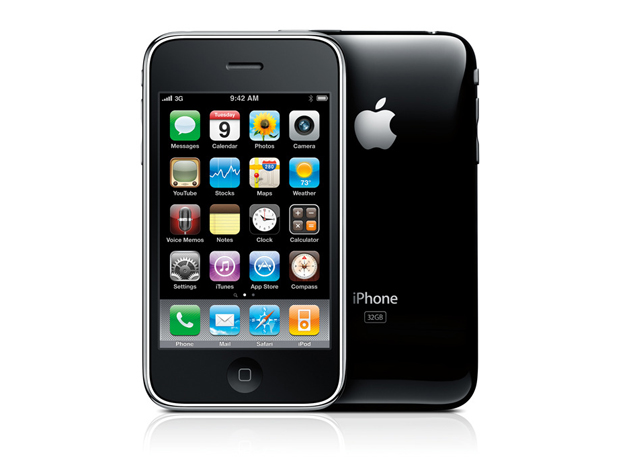
The first iPhone was the cool kid, but also kind of that friend who’s always late and expensive. Enter iPhone 3G: the glow-up of the glow-up.
It brought faster 3G data so pages didn’t load in slow motion, a lower carrier-subsidized price so more people could join the club, and a plastic back that said, I’m here to move in real life, not sit in a museum.
But the real plot twist was the App Store. That was the moment the iPhone stopped being a fancy touchscreen iPod with phone privileges and became a full-blown platform.
Now you had games, travel tools, note apps, social media, language apps, fitness trackers, and a thousand ways to procrastinate sitting in your pocket. From 2008 on, the question wasn’t “does your phone make calls,” it was “what apps are you using?”
iPhone 3GS – 2009
If the iPhone 3G was the makeover, the iPhone 3GS was the same outfit with a way better gym routine. On the outside, it looked almost identical to the 3G. On the inside, Apple cranked everything up. The S officially stood for Speed, and that marketing line was dead-on.
Released June 19, 2009, the 3GS launched apps faster, scrolled smoother, and finally added video recording so you didn’t have to carry a separate camera just to capture your friend’s questionable karaoke.
It also introduced Voice Control, the early, slightly awkward cousin of Siri that let you bark simple commands at your phone and occasionally get what you asked for.
This is where Apple quietly locked in its rhythm: big redesign one year, S year the next with more power and polish. That tick-tock pattern defined the iPhone playbook for years, teaching everyone to expect either a new look or a speed boost, depending on which year was on the box.
The Retina & Siri Era (2010-2011)
This is the glow-up era. The iPhone traded plastic for glass and metal, picked up that razor-sharp Retina display, and then, with the 4S, literally found its voice with Siri. In just two years, the iPhone went from cool gadget to premium pocket computer that actually talks back.
iPhone 4 - 2010
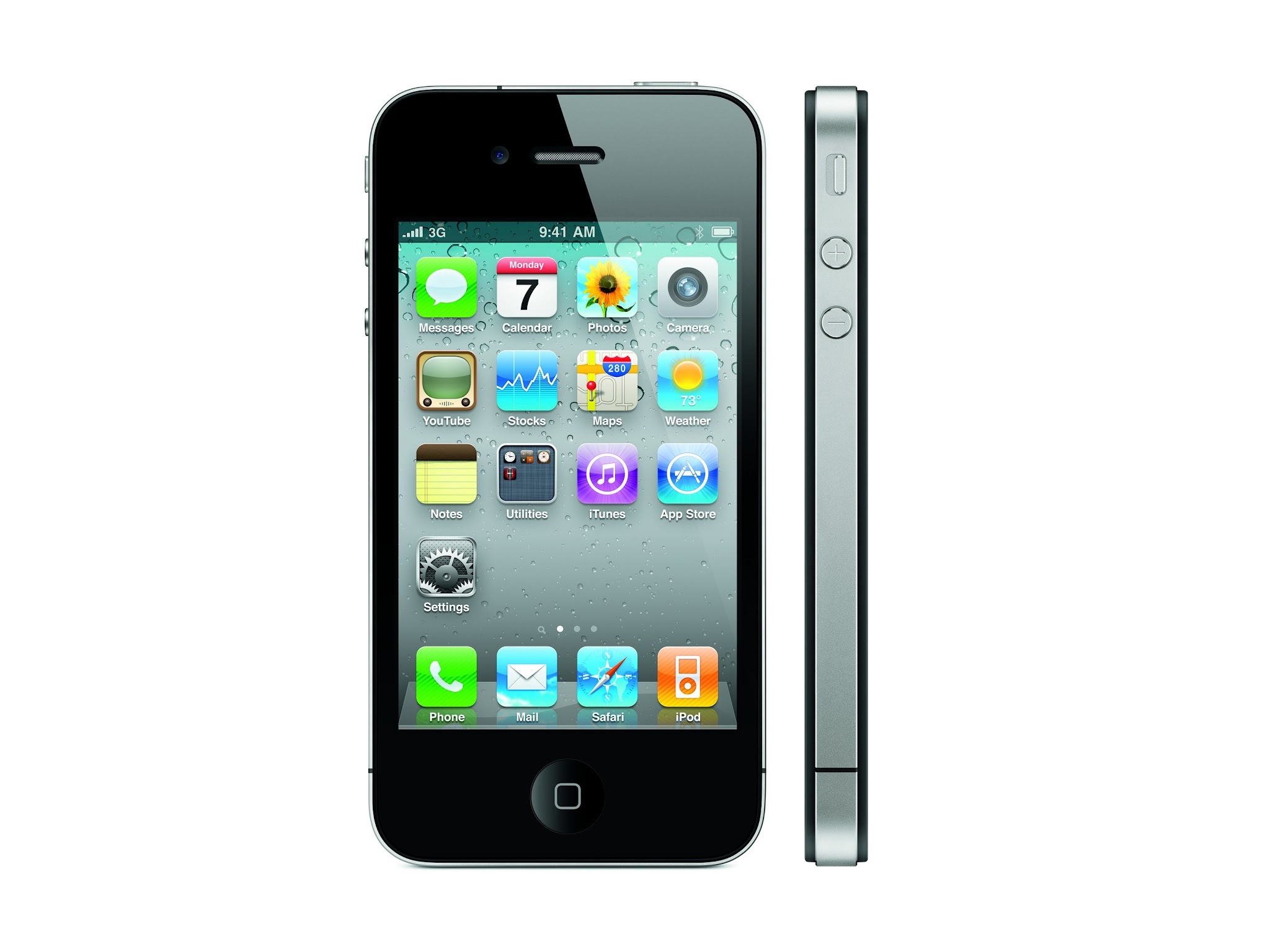
The iPhone 4 was the moment the iPhone stopped looking like a cute gadget and started looking like grown-up tech. Apple ditched the curvy plastic and rolled out a sharp, glass-and-steel glass sandwich design that instantly made every other phone feel a little cheap.
This is the phone you picture in your head when someone says classic iPhone.
Released on June 24, 2010, it brought the first Retina display, packing in so many pixels that text and icons suddenly looked printed instead of pixelated. Once people saw that screen, there was no going back to fuzzy fonts.
It also introduced the first front-facing camera and FaceTime, which turned call me into let’s awkwardly stare at each other in HD.
There was some drama around Antennagate, where holding the phone a certain way could mess with the signal, but history mostly remembers the iPhone 4 as the moment phones got seriously good-looking and high-resolution screens became the new baseline.
iPhone 4S - 2011
The iPhone 4S will always feel a little emotional in the timeline. It arrived on October 14, 2011, just days after Steve Jobs’ passing, so a lot of people saw it as the last iPhone touched by his era.
On paper, it was a classic S year: same gorgeous iPhone 4 design, but with an 8 MP camera and the A5 chip under the hood, so everything ran faster and smoother.
The headline act, though, was Siri. This was the first time a mass-market phone said, talk to me, I’ll handle it. Early Siri was chaotic in a charming way, but it set the stage for every AI assistant that followed.
For millions of people, the 4S was both an upgrade and a tiny tribute: a better camera (8MP!), a smarter brain, and a new voice in your pocket that changed how you talked to your phone – literally.
The Tall & Colorful Era (2012–2013)
This is the stretch where the iPhone hit a growth spurt and raided the crayon box. Screens got taller, ports got modern, and the lineup split into “sleek and serious” with the 5/5s and “loud and lovable” with the candy-colored 5c.
iPhone 5 - 2012
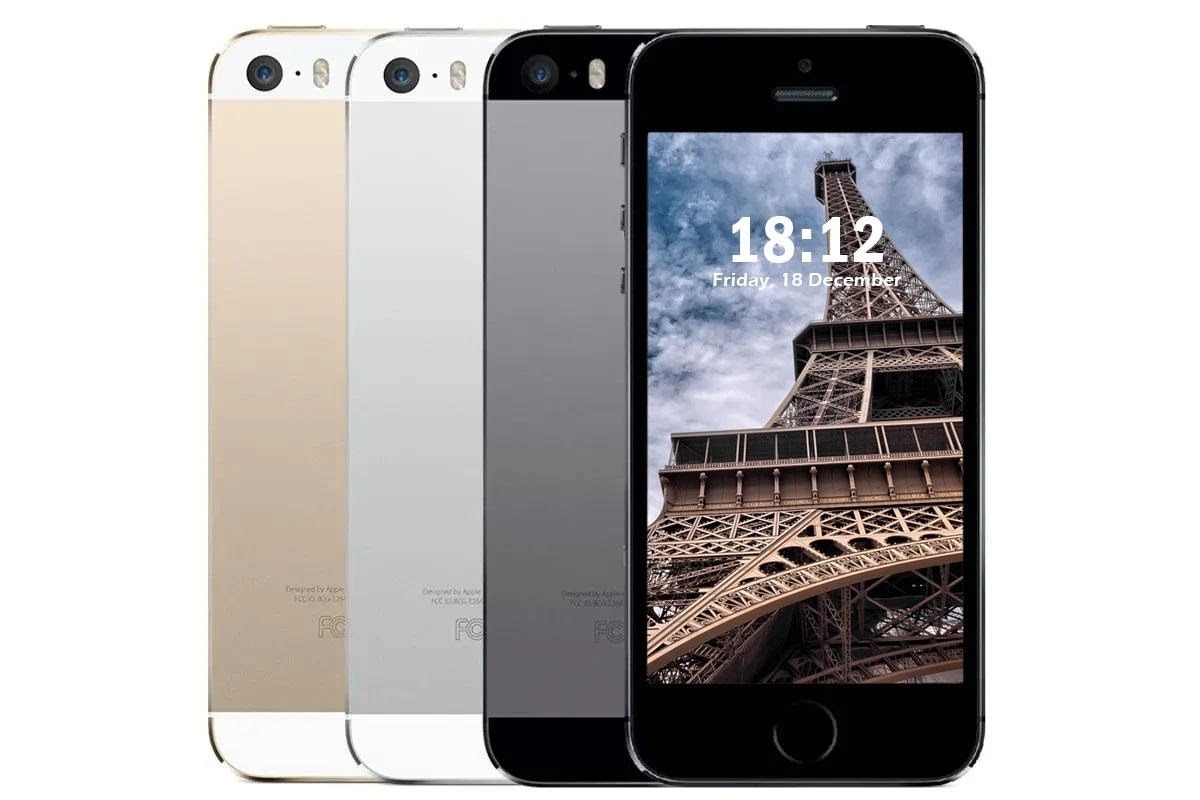
For years, Apple insisted 3.5 inches was just the right size for iPhones. Then the iPhone 5 rolled in and stretched things out. Released on September 21, 2012, it bumped the screen to 4 inches, making the phone taller without turning it into a tablet. More email, more timeline, more everything, all in one thumb’s reach (if your thumb did a little daily cardio).
It also swapped the old 30-pin connector for the new Lightning port. Technically, Lightning was great: smaller, reversible, and cleaner. Emotionally, it was chaos. Dock speakers, cables, charging stands – and they all needed adapters or retirement parties.
That controversy ended up being a preview of later port drama when Apple moved to USB-C. With the iPhone 5, Apple made it clear: progress was happening, and your cables might be collateral damage.
iPhone 5s & iPhone 5c - 2013
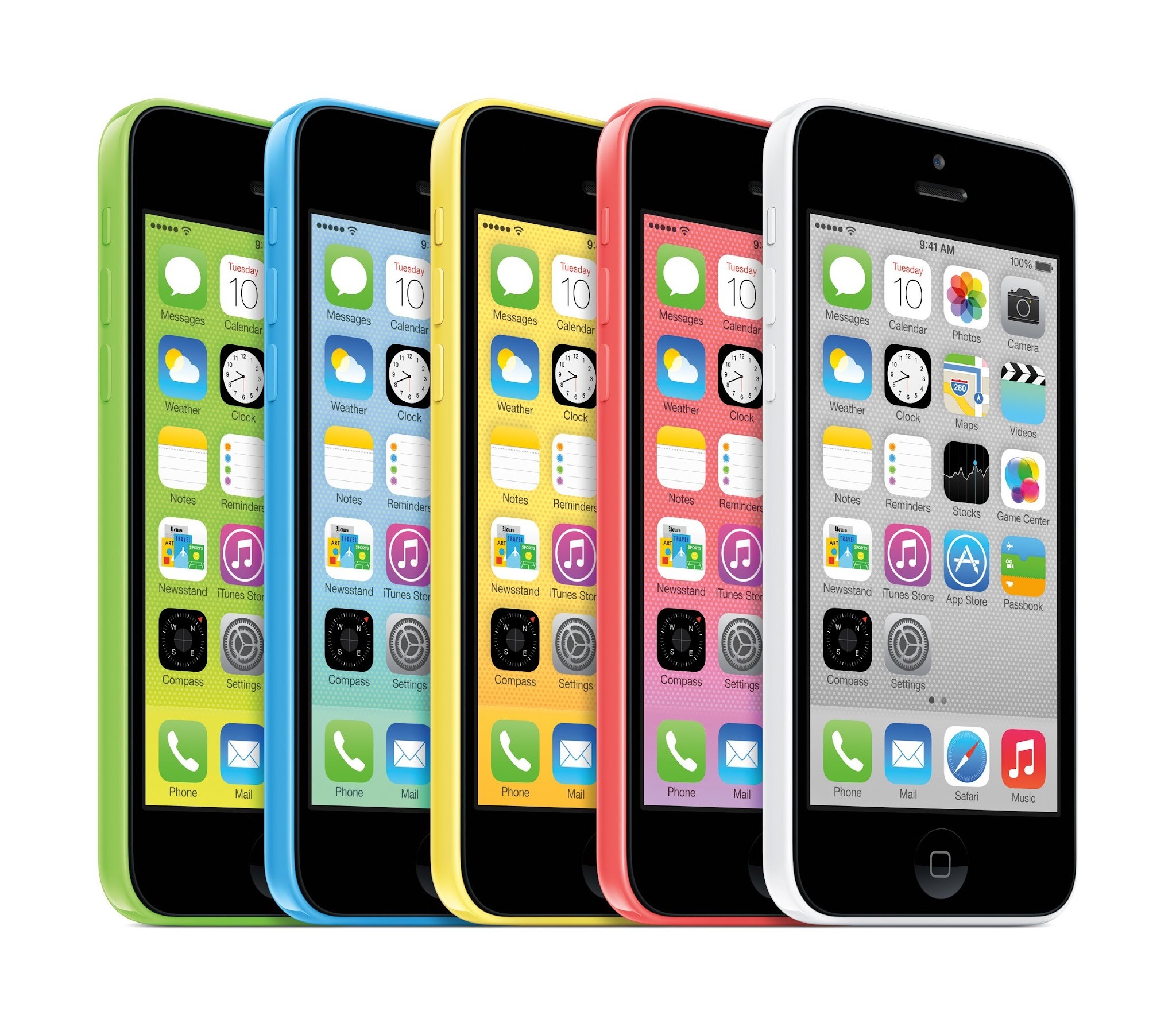
2013 is when the iPhone lineup split into two personalities: serious high-end and playful budget. On one side, you had the polished iPhone 5s, on the other, the unapologetically plastic iPhone 5c that looked like a bag of Skittles.
The iPhone 5s (released September 20, 2013) brought Touch ID, the fingerprint sensor baked into the Home Button.
Before this, most people used four-digit passcodes or just lived dangerously with no lock at all. Touch ID made security feel instant: tap, unlock, done. That one feature trained everyone to accept biometric security as normal, and it set the stage for Face ID later.
The iPhone 5c showed up unapologetically plastic in bright green, blue, yellow, pink, and white, leaning into the fun phone role. It reused older internals from the iPhone 5 but wrapped them in color that screamed entry-level in the best way.
If the 5s was the fancy suit, the 5c was the hoodie and sneakers, giving more people a cheaper way into the iPhone world without feeling like they settled.
Going Big: The Plus Size Era (2014-2015)
This is the era when Apple finally admitted people like big phones. To keep up with giant-screen Androids, the iPhone hit the gym, bulked up the display, and kicked off a wave of massive sales with Apple Pay.
iPhone 6 & iPhone 6 Plus - 2014
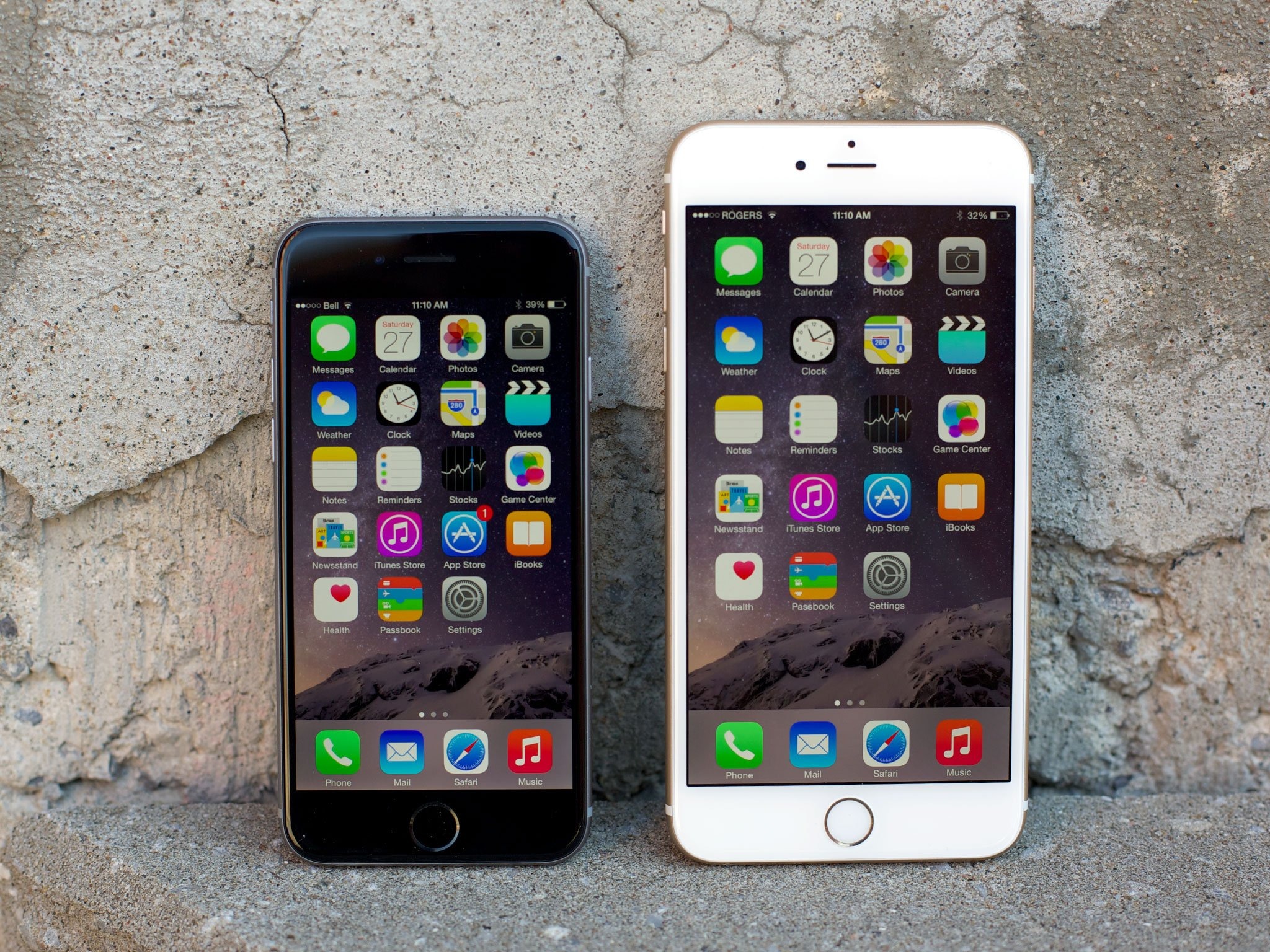
By 2014, big-screen Android phones were everywhere, and iPhone users were squinting with screen envy.
Apple finally joined the huge phone trend with the iPhone 6 and 6 Plus, released on September 19, 2014. Sizes jumped to 4.7 and 5.5 inches, which at the time felt enormous. People lined up anyway.
These things sold like crazy because, surprise, everyone actually did want more screen for Netflix, games, and scrolling way too far down social feeds.
Of course, there was Bendgate, where some 6 Plus models got a little too flexible in skinny jeans. It made headlines, memes, and a lot of nervous pocket checks, but it didn’t slow the stampede of new customers.
This was also the debut of Apple Pay. Now your phone could tap to pay at stores, and your physical wallet started feeling more like backup gear than a daily driver. With one generation, Apple made “just bring your phone” a real option for everyday errands, coffee runs, and airport dashes.
iPhone 6s & iPhone 6s Plus - 2015
The iPhone 6s generation was the same look with secret upgrades era.
Released on September 25, 2015, the 6s and 6s Plus kept the big-screen design from the 6 line but quietly leveled up almost everything inside. The camera jumped to 12 MP, photos got sharper, videos looked cleaner, and the whole phone just felt snappier.
The quirky star of the show was 3D Touch. Press lightly, you tap. Press harder, and you unlock hidden menus, previews, and shortcuts. It turned the screen into a pressure-sensitive playground, like a right-click for your thumb. Power users loved it, but most people forgot it existed, and eventually Apple retired the feature.
In the history of the iPhone, the 6s era is that fun side quest: a refinement year packed with hidden interaction tricks that later morphed into simpler long-press gestures instead.
Water Resistance & The First SE (2016)
2016 is when the iPhone figured out two very important things: how to survive a splash and how to stay small without feeling slow.
iPhone SE (1st Generation) - 2016
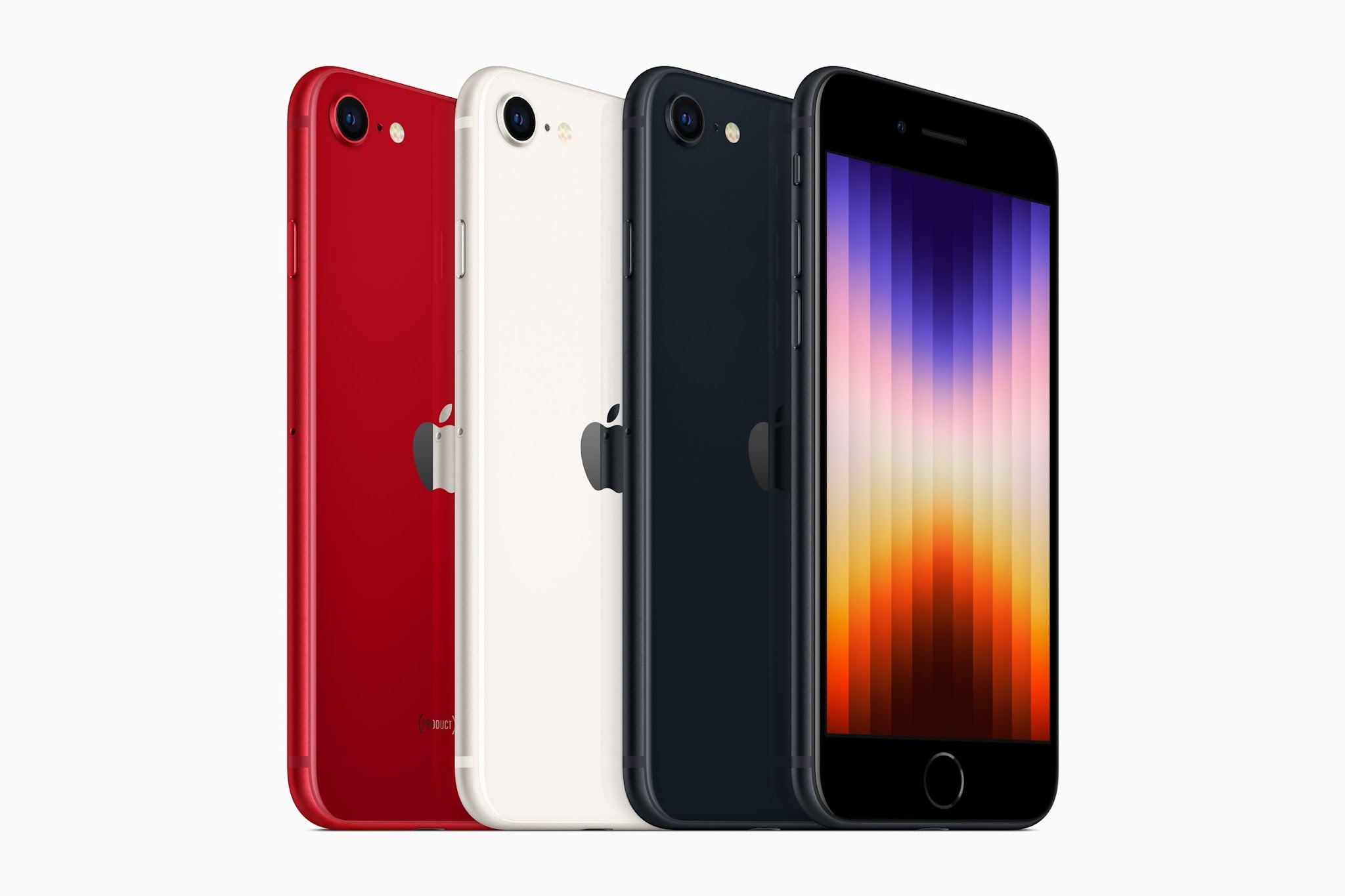
The first iPhone SE was for everyone who looked at giant phones and said, absolutely not. Released on March 31, 2016, it stuffed iPhone 6s power into the compact iPhone 5s body, like a superhero in a tiny costume.
This thing built a full-on cult following. Fans loved the sharp edges, the pocket-friendly size, and the fact that they could reach the entire screen without dislocating a thumb.
While the rest of the industry chased bigger and bigger displays, the SE quietly became the comfort pick for small-phone loyalists who wanted modern speed without carrying a tablet in their jeans.
iPhone 7 & iPhone 7 Plus - 2016
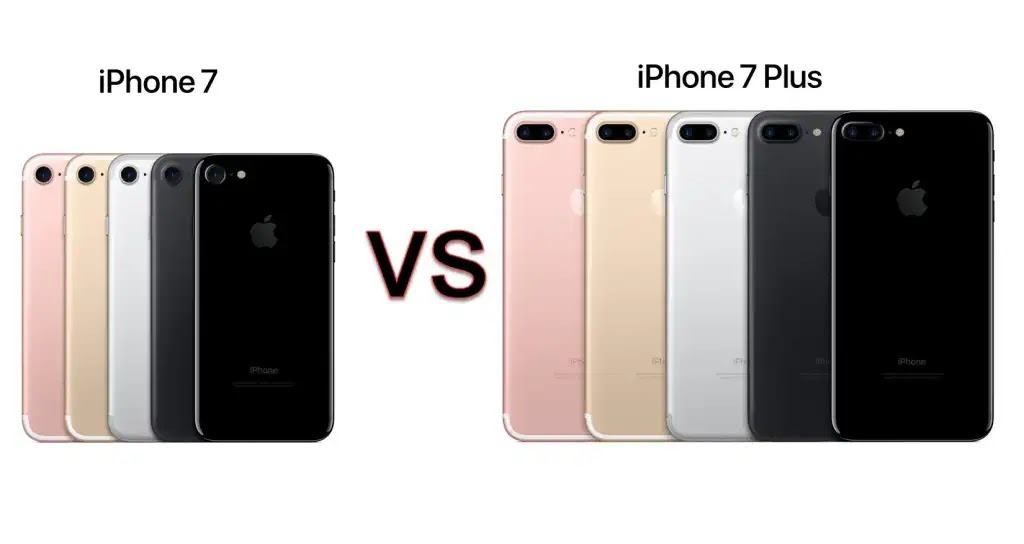
This is the generation where Apple looked at the headphone jack, looked at the audience, and said nah, they don’t need it. It was a very bold move.
Released on September 16, 2016, the iPhone 7 line kicked off the wireless audio era by deleting the classic 3.5 mm jack and nudging everyone toward AirPods and Bluetooth. People complained loudly… into their new wireless earbuds.
On the practical side, the 7 and 7 Plus brought the first official IP67 water resistance, so your phone stood a better chance of surviving the classic toilet drop, sink splash, or whoopsie at the pool.
The real camera magic happened on the iPhone 7 Plus. It added a second rear lens and unlocked Portrait Mode, which blurred the background and made your photos look like they were shot on fancy camera gear instead of a phone in your pocket.
That dual-camera system turned everyday portraits, pet pics, and latte shots into something that actually felt frameable, and it set the template for multi-lens iPhones from then on.
The X Revolution (2017)
2017 is when the iPhone hit the reset button on itself. The Home Button bowed out, gestures took over, faces replaced fingerprints, and the iPhone X kicked off the all-screen, all-future era every modern iPhone still lives in.
iPhone 8 & iPhone 8 Plus - 2017
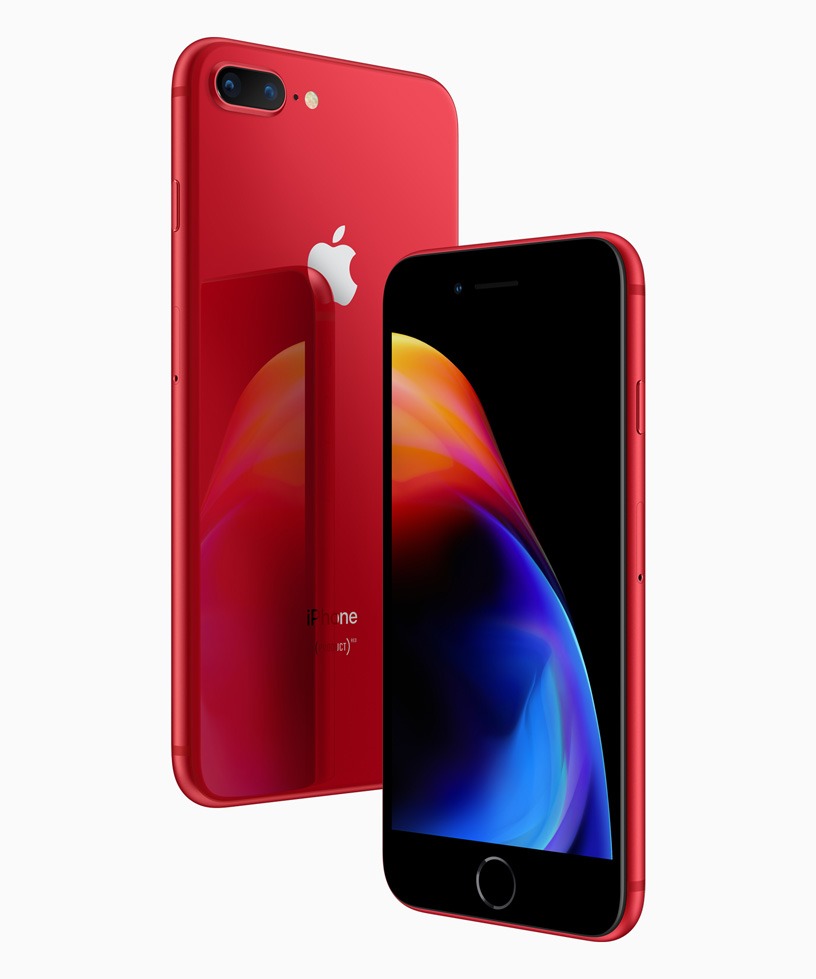
The iPhone 8 and 8 Plus were the grand finale of the classic iPhone look: big bezels, Home Button front and center. Released on September 22, 2017, they felt like the last encore before the band changed style completely.
They did sneak in one big modern trick: glass backs. That wasn’t just for looks; it unlocked wireless charging, so you could finally drop your phone on a charging pad instead of playing find the cable under the bed every night.
In the timeline, the 8 and 8 Plus are the farewell tour for the old-school iPhone design right before the iPhone X rewrote the stage layout.
iPhone X - 2017
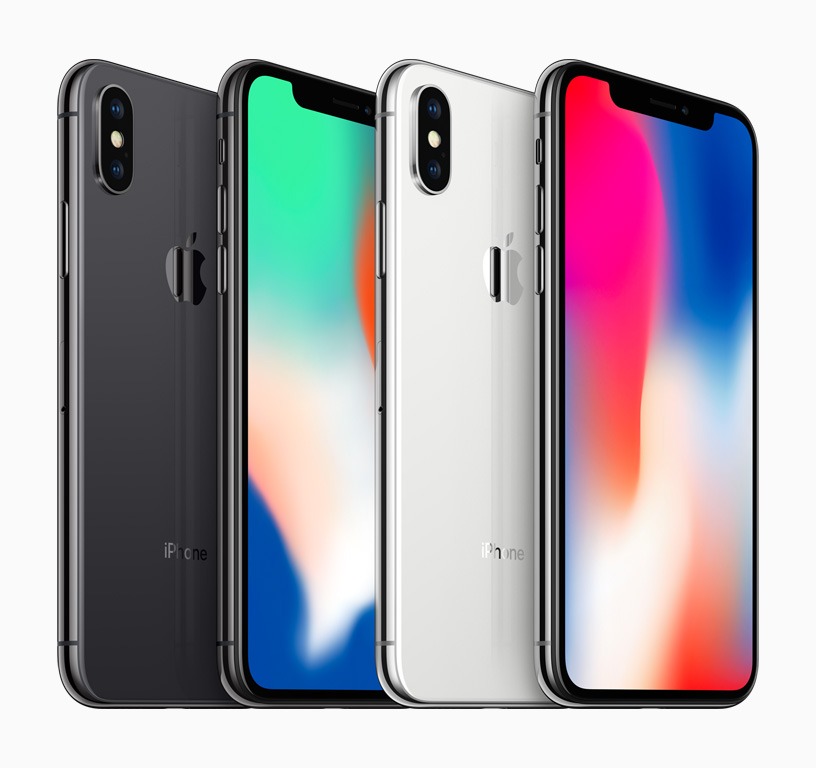
The iPhone X showed up in 2017 and just screamed the Future Is Now. It was a radical, premium flex from the second you saw it. The Home Button vanished, the screen stretched almost edge to edge, and you were swiping up from the bottom instead of mashing a circle.
This is the phone that permanently rewired the gesture language of iOS.
Released on November 3, 2017, it was also the first $999 iPhone, which made people gasp, then buy it anyway. You got an OLED display with deep blacks and punchy contrast, Face ID that unlocked your phone just by staring at it, and of course, The Notch, that little cutout at the top of the screen that launched a thousand memes.
Love it or roast it, the iPhone X is the moment the iPhone stopped being screen-with-a-button and became all screen, all the time. Every modern iPhone traces its look and its swipey, face-scanning personality back to this one.
Expansion of Face ID (2018)
2018 is when Face ID stopped being a fancy perk and started showing up everywhere. Between the XS/XS Max giving power users huge screens and Dual SIM, and the XR bringing the all-screen look to the masses, this era turned “face unlock” from a flex to the default.
iPhone XS & iPhone XS Max - 2018
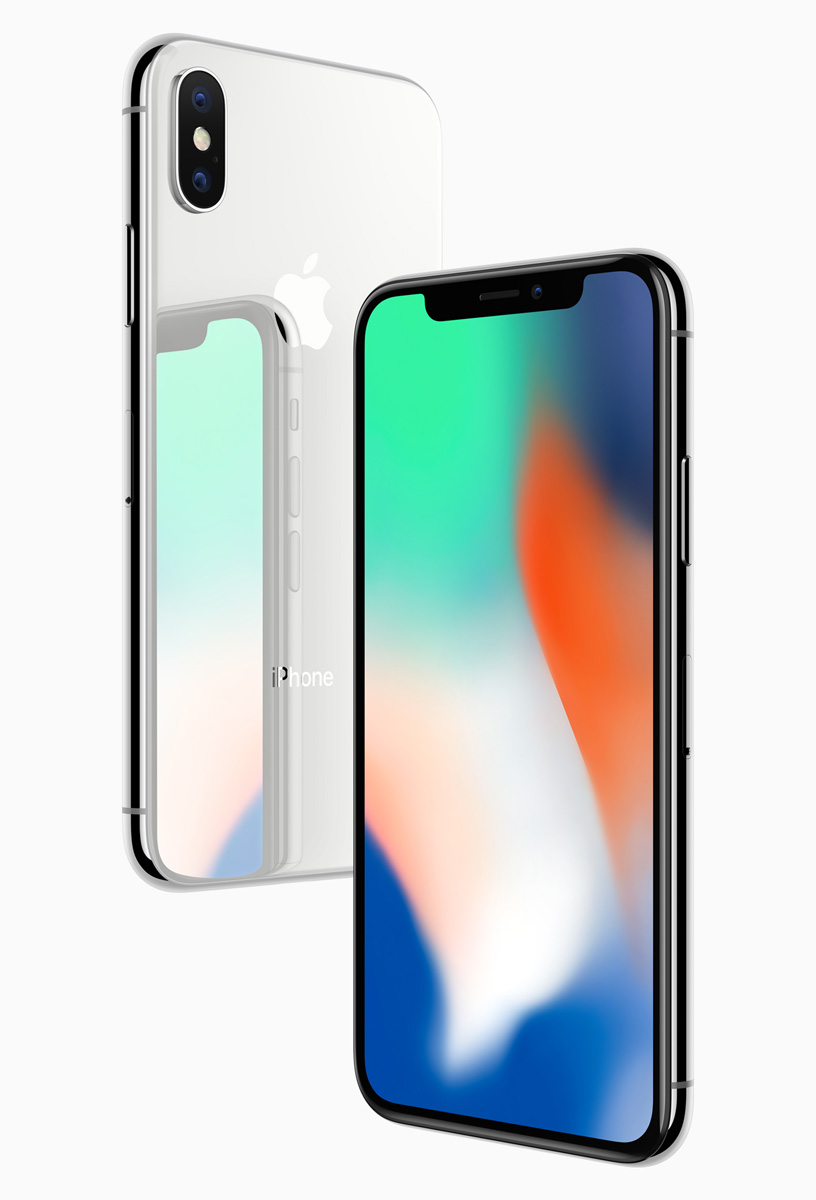
In 2018, Apple looked at Plus and said, You know what sounds bigger? Max.
The iPhone XS and XS Max arrived on September 21, 2018, with the XS as the fancy compact option and the XS Max taking the crown for largest iPhone screen ever at the time. It was basically an iPhone X, but more of it for anyone who wanted a pocket-sized cinema.
Behind the scenes, this generation quietly unlocked a huge quality-of-life upgrade: Dual SIM with eSIM. That meant you could have two numbers on one phone. One for home, one for travel. One for work, one for personal.
For frequent travelers, it was a dream setup. You could land in another country, grab a local plan, and still keep your main number active for texts and calls, all on the same XS or XS Max.
iPhone XR - 2018
The iPhone XR was Apple’s “X for everyone” moment. Released on October 26, 2018, it brought the new full-screen Face ID look to a lower price point, with an LCD Liquid Retina display that still looked sharp and colorful enough to make most people forget about OLED specs charts.
It came in a lineup of fun colors and a simpler single-camera setup that still pulled off Portrait Mode like a champ.
The people loved all of that, but the real legend was the battery. The XR routinely outlasted its fancier siblings and ended up becoming the best-selling phone in the world for a while, proving that most people just want a big screen, great battery life, and a price that doesn’t make their wallet cry.
Pro Cameras & Night Mode (2019)
This is the “okay, now it’s a real camera” chapter. With the 11 lineup, Apple slapped on the now-iconic triple-lens stove top, flipped on Night Mode, and turned the iPhone from 'good enough' into 'this can replace my point-and-shoot camera'.
iPhone 11, 11 Pro, & 11 Pro Max - 2019
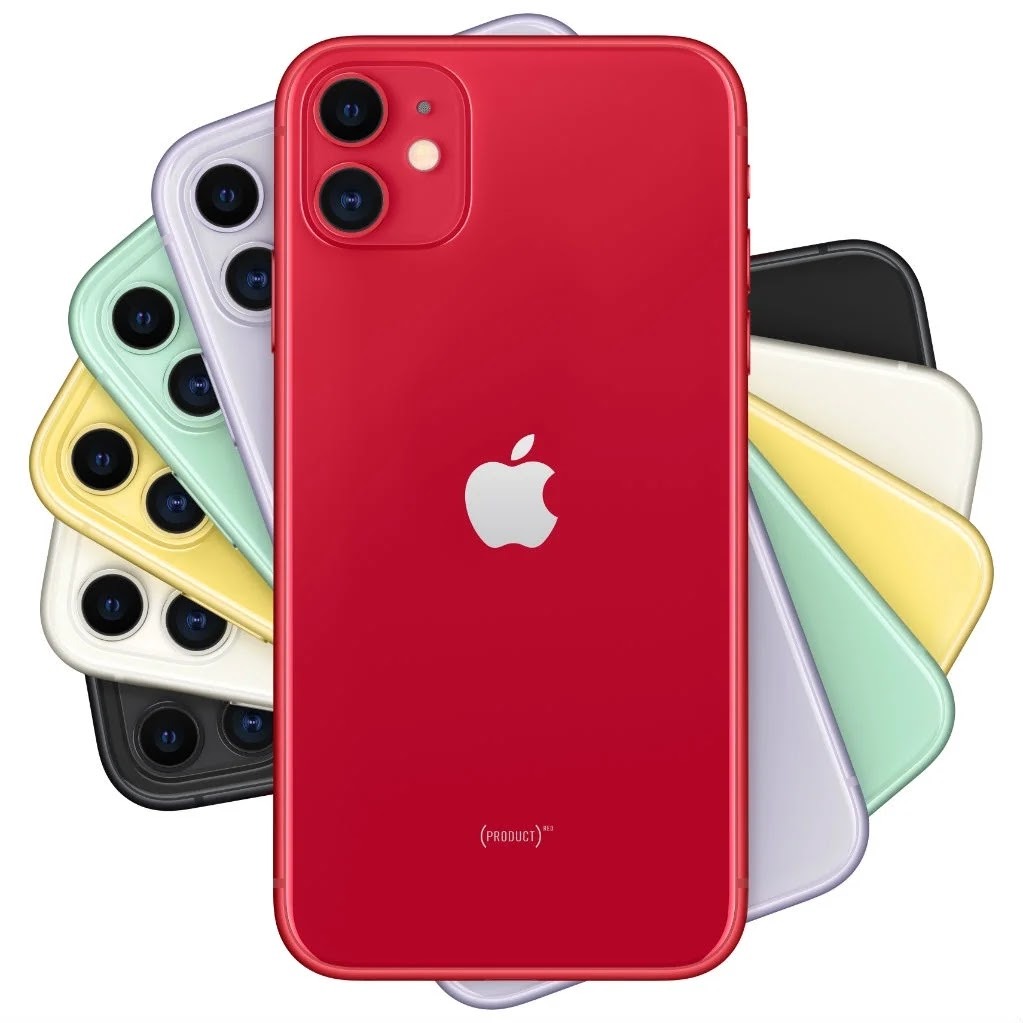
2019 is when the iPhone camera wars stopped being a skirmish and turned into a full-on boss fight.
Released on September 20, 2019, the iPhone 11 line introduced the Pro branding for the first time, basically Apple (lovingly) saying, this one’s for the camera nerds and power users.
The 11 Pro and 11 Pro Max showed up with that instantly recognizable triple-camera layout on the back, lovingly nicknamed the “stove top.” People joked about it, memed it, and then saw the photos and went, “Oh… okay, that’s kind of amazing.” Ultra-wide, wide, and telephoto gave you three focal lengths in your pocket.
Then there was Night Mode. Low-light photos went from “guess what this dark blob is” to “wow, you took that at night?” It brightened scenes, kept detail, and made nighttime city shots, campfires, and dim restaurants actually shareable. The 11 generation made iPhone cameras feel truly pro for everyday life.
5G, MagSafe & Minis (2020)
2020 was the year the iPhone tried on three different outfits at once: budget hero, magnet-powered accessorizer, and tiny powerhouse. This era proved you could go faster, snap on everything, and still pick a phone that actually fit your hand.
iPhone SE (2nd Generation) - 2020
In 2020, while flagship phones were racing toward four cameras and four-figure price tags, the second-gen iPhone SE slid in like, “Hey, I cost way less and still rock”.
Released on April 24, 2020, it packed the A13 chip from the iPhone 11 into an iPhone 8 body, complete with Home Button and Touch ID.
It instantly rose to the premier value phone. You got fast performance, a solid single camera, wireless charging, and iOS updates for years, all in a familiar, smaller package. For anyone who wanted an iPhone that was affordable, reliable, and not basically a tablet, the 2020 SE was the easy yes.
iPhone 12, 12 mini, 12 Pro, & 12 Pro Max - 2020
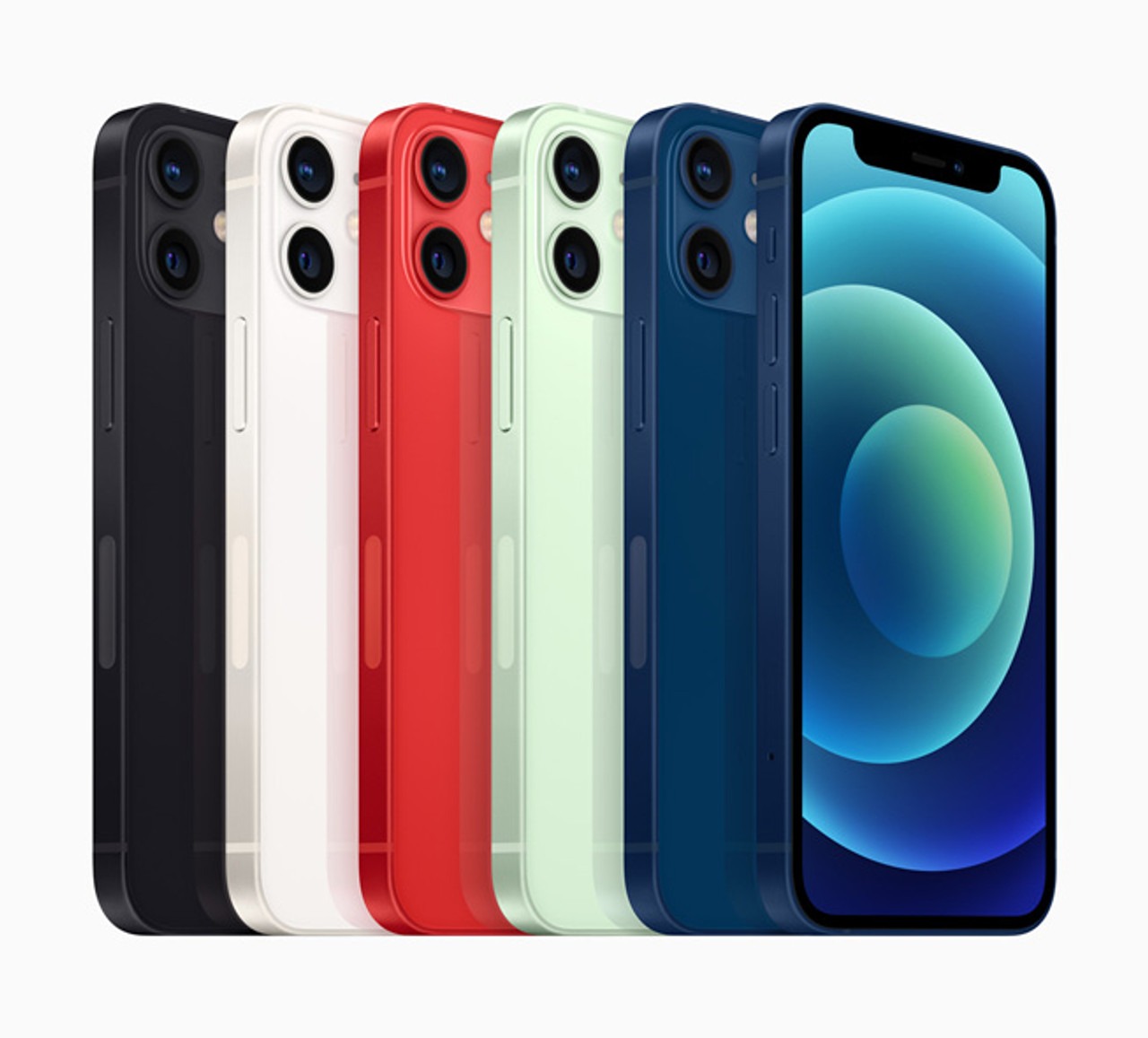
The iPhone 12 lineup rolled in late 2020 like a four-pack of pick your personality. All four models brought two big headlines: 5G and MagSafe. 5G meant faster data speeds and less time staring at loading spinners. MagSafe meant Apple basically glued a secret magnet ring inside the back of the phone and said, go wild.
That magnet ring turned out to be a cheat code for accessories. Snap-on chargers that line up perfectly, wallets that click on and stay put, car mounts that don’t slow-motion slide off your dash. Your phone’s back became prime real estate for gear, not just fingerprints.
Design-wise, the 12 family brought back the flat edges from the iPhone 4 and 5 era, hitting everyone right in the nostalgia.
And then there was the iPhone 12 mini: a tiny, full-power flagship for small phone fans. It had a loyal fan club but lukewarm sales, so it ended up as a short, adorable experiment in “yes, you can have modern specs without a giant screen… for a little while.”
Cinematic Mode & Battery Boosts (2021)
2021 is where the iPhone stopped living on battery anxiety and started flirting with movie-making.
The 13 lineup kept the familiar flat-edged look, cranked up battery life, and handed the Pro models smoother-than-butter ProMotion screens and Cinematic Mode, turning everyday clips into something that looks suspiciously like a film school project.
iPhone 13, 13 mini, 13 Pro, & 13 Pro Max - 2021
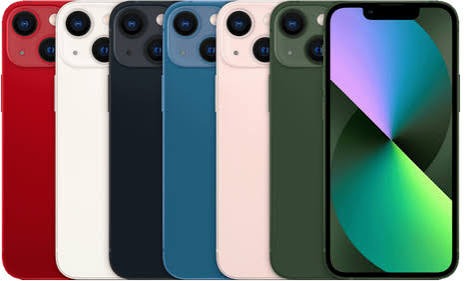
The iPhone 13 line was technically a refinement year, but it was the kind of refinement where your phone stopped begging for a charger at 5 p.m.
Released on September 24, 2021, the 13 family took the 12’s design, shaved the notch down a bit, and quietly stuffed in way better battery life. For a lot of people, this was the year an iPhone finally did a full day of heavy use without hitting panic mode.
The regular 13 and 13 mini were the steady choices: improved cameras, better efficiency, and the same clean, squared-off look people already loved. The mini made one more brave stand for small-phone fans, giving you flagship power in a tiny body, once again appealing to anyone whose hands said no thanks to plus-sized screens.
The real tricks lived in the 13 Pro and 13 Pro Max, thanks to ProMotion. That 120 Hz adaptive refresh rate made scrolling, animations, and games look impossibly smooth.
This is the upgrade you don’t think you need until you try it; on the Pro side of the fence, once you see it, you can’t go back became the unofficial slogan.
Dynamic Island & Safety (2022)
2022 is when the iPhone got way better at saving your butt and showing some personality. Between the SE quietly adding 5G on a budget and the 14 lineup bringing Emergency SOS via satellite, plus the chatty little Dynamic Island, your phone became both a safety net and a tiny status billboard at the top of your screen.
iPhone SE (3rd Generation) - 2022
The 2022 iPhone SE is the I refuse to learn a new layout special. Released on March 18, 2022, it kept the same old iPhone 8-style body, Home Button and all, but finally added 5G to Apple’s cheapest iPhone.
It looked like it time-traveled from 2017, but it spoke modern network language, making it the go-to pick for people who wanted fast data, a smallish phone, and a price that did not trigger an existential crisis.
iPhone 14, 14 Plus, 14 Pro, & 14 Pro Max - 2022
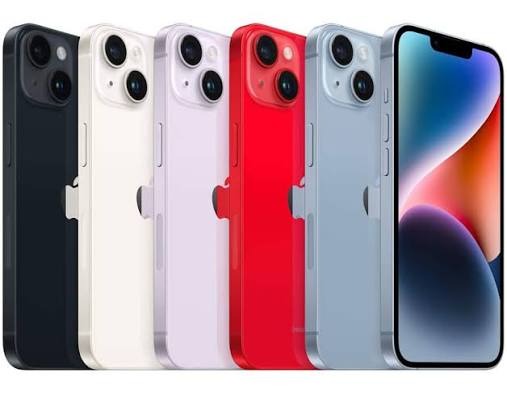
With the iPhone 14 lineup, Apple quietly pulled the plug on the Mini and brought back the Plus, like a sitcom character returning in season four. The 14 and 14 Plus covered the normal and bigger crowd, while the 14 Pro and 14 Pro Max handled the I live on my phone demographic.
The real headline was safety. Emergency SOS via satellite meant your phone could talk to rescue services even when your bars vanished completely. Hiking in the mountains, road-tripping through dead zones, or exploring new countries where coverage is spotty suddenly felt a lot less risky. For travelers, it turned the iPhone into a backup lifeline, not just a camera and map combo.
On the Pro side, Apple took the notch and basically turned it into a character. The Dynamic Island turned that hardware cutout into a live status bubble for music, timers, calls, and more. Instead of pretending the notch wasn’t there, Apple leaned in and made it feel like a little control hub living at the top of your screen.
It went from ugh, a notch to oh, that’s actually cool, which is a very on-brand magic trick.
Titanium & USB-C Era (2023)
2023 is the year the iPhone finally joined the one-cable club. With USB-C for everyone and titanium on the Pro models, the 15 lineup charged like your other gear, felt lighter in the hand, and gave the Pro Max a serious zoom flex for all your I swear I’m not a paparazzi moments.
iPhone 15, 15 Plus, 15 Pro, & 15 Pro Max - 2023
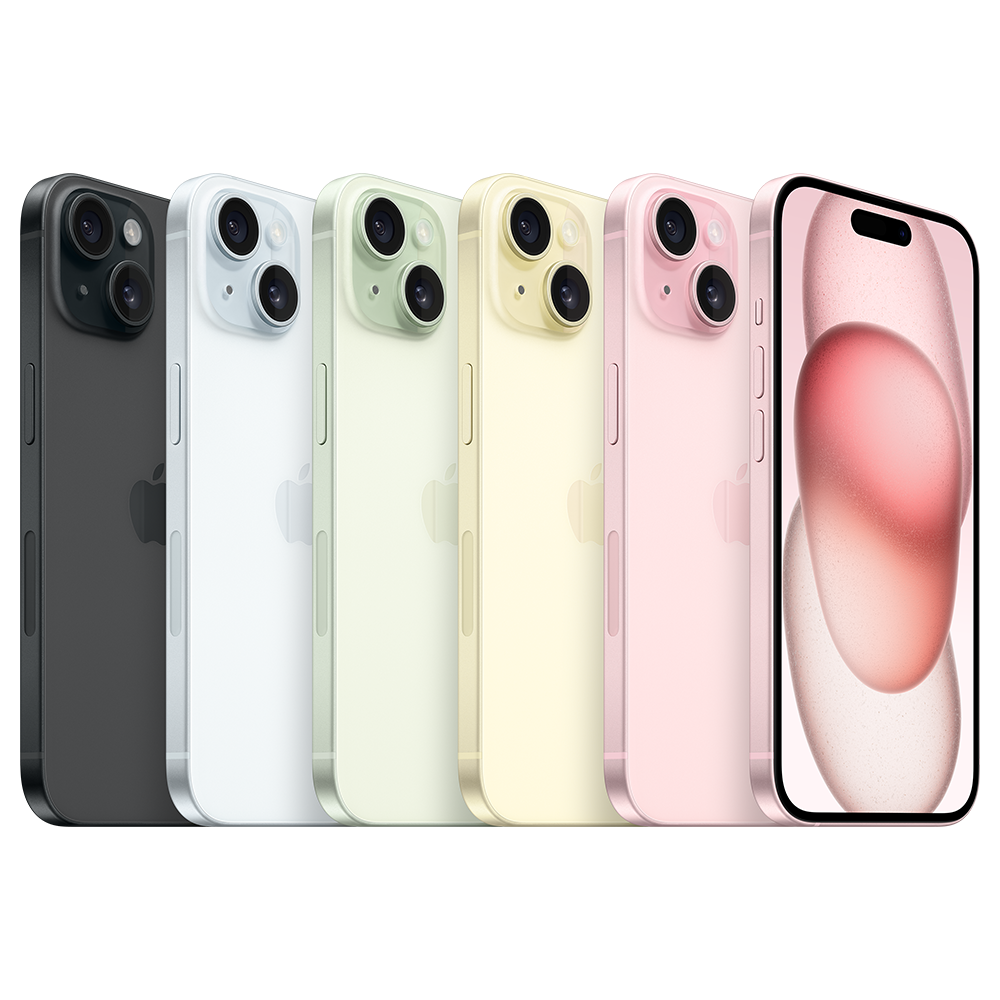
The iPhone 15 lineup will be remembered as the year Apple finally said goodbye to Lightning. Released on September 22, 2023, all four models switched to USB-C, so your iPhone, iPad, Mac, and half your other gadgets could finally share the same cable like one big happy tech family. It was equal parts relief and wow, that took long enough.
The 15 and 15 Plus got the now-classic full-screen look, better cameras, and that new port, making them feel a lot less base-model than in past years. For most people, these were the sweet-spot phones: modern design, new charging standard, and no need to sell a kidney.
On the Pro side, Apple went full materials nerd and swapped stainless steel for titanium. That made the 15 Pro and 15 Pro Max noticeably lighter, which your pinky absolutely appreciated on long scrolling sessions. The 15 Pro Max also rolled in with a 5x optical zoom, turning it into a pocket spyglass for concerts, wildlife, kids’ sports, or shameless pet close-ups from across the room.
The Age of Apple Intelligence (2024)
This is the era where your phone has a brain now. With the iPhone 16 lineup, Apple leaned hard into on-device AI, added a dedicated Camera Control button that behaves like a real shutter, and stretched the Pro screens even bigger, turning the iPhone into your main computer, camera, and smart assistant all rolled into one.
iPhone 16, 16 Plus, 16 Pro, & 16 Pro Max - 2024
The iPhone 16 family is Apple’s Built for AI season. Released on September 20, 2024, this lineup showed up ready to run Apple Intelligence features all day long, from smarter photo edits to more context-aware suggestions and on-device magic that feels a lot less robot overlord and much more helpful sidekick in your pocket.
All four models leaned into new camera tricks, but the star of the show was the Camera Control button on the side. Tap it, and you jump straight into the camera. Half-press for focus, full press to snap, just like a real camera shutter. It turned the iPhone back into a grab-and-shoot gadget instead of a wait, where’s the camera app moment.
The Pros went bigger too, literally. The iPhone 16 Pro and 16 Pro Max moved to 6.3 and 6.9 inch displays, giving you more room for games, editing, streaming, and juggling way too many apps at once.
With larger screens, a dedicated camera button, and AI baked into almost everything, the 16 generation felt like Apple’s way of saying, yep, your phone is your go-to computer now. Let’s act like it.
The Modern Lineup (2025)
This is the right now era. Between the budget-friendly but fully modern iPhone 16e and the iPhone 17 family (regular, Air, and Pro), you’re choosing flavors of fast, AI-smart, USB-C iPhones that all feel current; it just comes down to how fancy, thin, or powerful you want to go.
iPhone 16, 16 Plus, 16 Pro, & 16 Pro Max - 2024
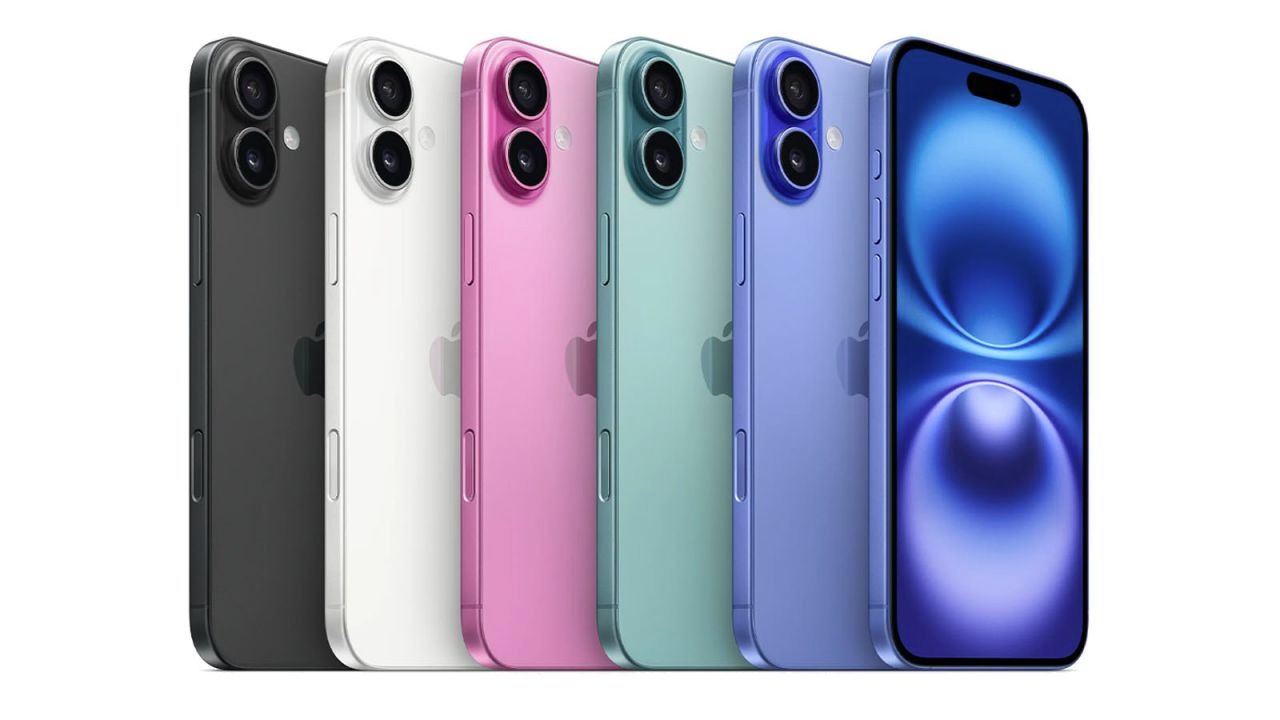
The iPhone 16e is the Modern Budget iPhone, the moment Apple finally looked at the Home Button and said, you’ve had a good run, champ.
Released in Spring 2025, it ditched the old-school forehead-and-chin look and joined the full-screen club with an OLED display, Face ID, and USB-C. No adapters, no nostalgia tax, just a clean, modern setup at a friendlier price.
Think of it as the glow-up of the SE line: all the sensible, wallet-friendly energy, but dressed like the newer flagships instead of a phone from your camera roll labeled 2017. For anyone who wants a current iPhone without paying Pro money, the 16e is the easy yep, that one pick.
iPhone 17, iPhone Air, iPhone 17 Pro, & 17 Pro Max - 2025
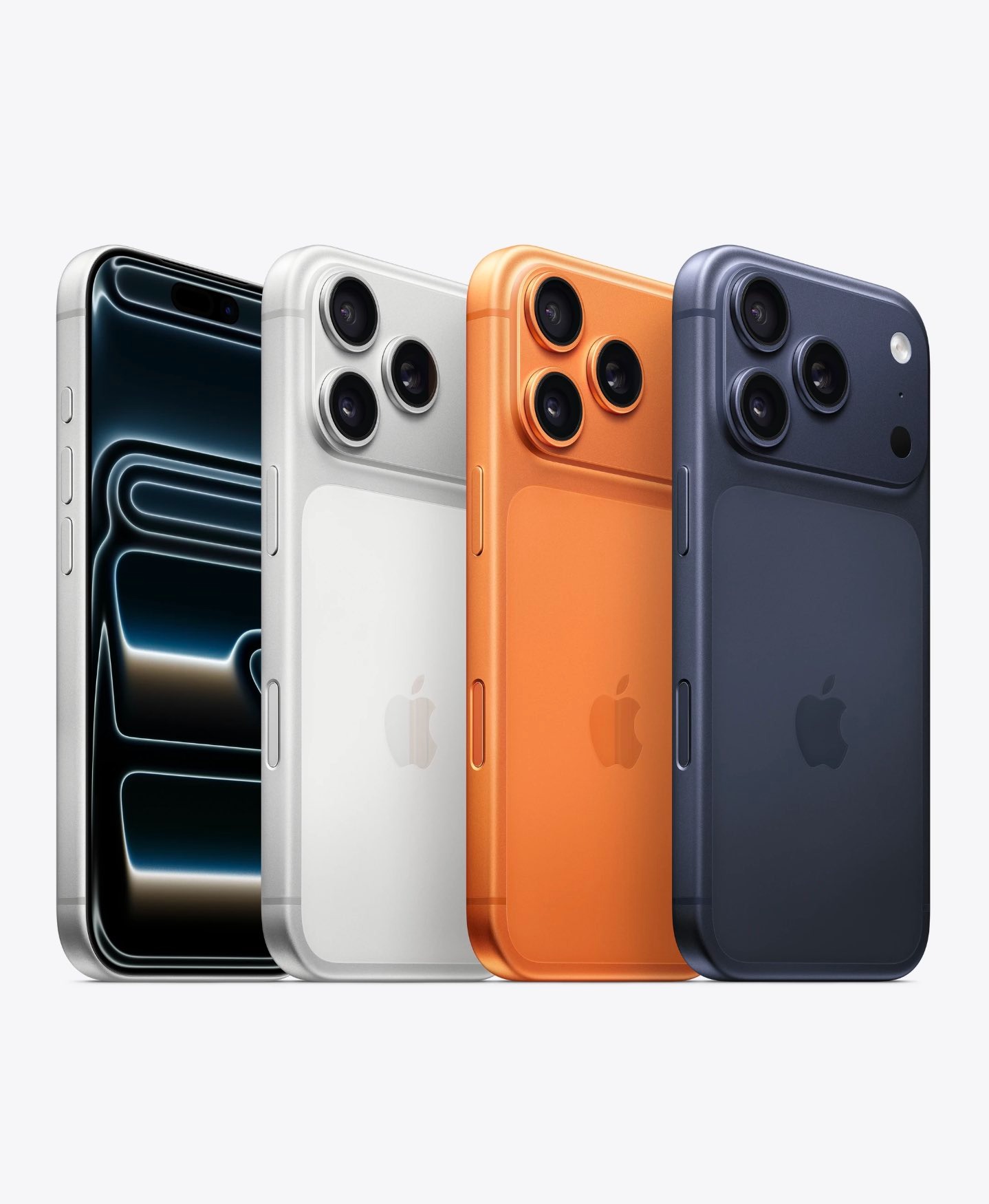
By 2025, Apple’s iPhone lineup started to look like a fashion show with a tech demo inside. The standard iPhone 17 is the everybody model, the iPhone Air is the thin, style-obsessed one, and the 17 Pro and 17 Pro Max are the gym rats with all the heavy-duty features.
The big news for regular folks: the base iPhone 17 finally picked up 120 Hz ProMotion. Scrolling, gaming, and animations feel smoother than ever, closing the old gap where the Pros had all the visual swagger and the base model felt just a step behind.
The iPhone Air takes that same smooth experience and squeezes it slimmer. The 17 Pro and 17 Pro Max lean hard into power toys: the A19 Pro chip for even faster processing and more advanced AI tricks, plus under-display tech that hides sensors and pushes the screen closer to true all-glass.
In classic Apple fashion, the 17 family gives you a simple choice: pick the shape and vibe you like, then decide how much camera horsepower and raw performance you want on tap.
The Future: What’s Next? (2026 & Beyond)
Past iPhones are history; the next ones are pure speculation and chaos in the best way. Think of this section as the teaser trailer for the iPhones your future self might be arguing about on group chat.
iPhone 18 Rumors (Expected 2026)
The iPhone 18 is still floating around in leak-land, but one rumor keeps popping up: a new chip. Shrinking the chip again should mean more power with less energy wasted as heat, which translates to better battery life and smoother Apple Intelligence tricks without your phone feeling like a pocket hand-warmer. In plain terms: same size phone, more brain, less battery anxiety.
On the camera side, Pro models are rumored to pick up variable aperture hardware. That would let the lens physically open and close more, giving you creamier background blur in bright light and cleaner shots in the dark, closer to the way a DSLR behaves.
Right now, a lot of that cinematic look is math; this would add real glass magic on top of the software.
There is also buzz that Apple might shake up the calendar and split the launch: Pro models in the fall, standard models in the spring. That kind of staggered schedule would break the old “one big iPhone drop a year” habit and turn phone shopping into more of a twice-a-year event.
Good news for deal hunters, slightly dangerous for anyone who already upgrades too often.
The Foldable iPhone (iPhone Flip/Fold)
Let’s talk about the elephant in the room: everyone else has been folding their phones like fancy tech origami, and Apple’s been in the corner, avoiding eye contact. If history is any guide, that usually means they are waiting until the hinges survive more than three TikTok scroll sessions.
Rumors point to a book-style foldable that opens up more like a mini iPad than a flip phone compact. Think normal iPhone on the outside, bigger canvas on the inside for movies, games, and pretending you’re working in a spreadsheet.
Leaks keep circling around a possible launch window in late 2026 or 2027, which feels about right for Apple’s we’ll show up when we’re ready energy.
Price-wise, prepare your soul. Early chatter puts it at $2,000 dollars or more, sitting above the Pro Max as the ultra-luxury, this is my personality now iPhone. For most people, it will be something you play with at the store, whisper wow, and then happily buy a more normal 17 or 18. For a smaller group, it will be the final form: half phone, half tablet, all flex.
Comparison: iPhone Models at a Glance
How to Choose an Older iPhone in 2025
Here is the secret: in 2025, an older iPhone isn’t settling, it’s spending wisely.
Phones like the iPhone 15 and iPhone 16 still pack fast chips, great cameras, USB-C, and 5G, which is everything a traveler or budget-minded human really needs. They handle maps, translation, streaming, and way-too-many travel photos without breaking a sweat, but usually cost a lot less than the shiny new 17 family.
If you want to save cash for flights, coffee, or, you know, rent, an older iPhone is a smart move. You still get modern features, long software support, and gear that plays nicely with current accessories and chargers.
With Goji, you can compare phones and shop plans separately, so you can grab a discounted iPhone 15 or 16, pop in a Goji SIM or eSIM, and be off to the races. If you’re shopping for a gift for the holidays or simply treating yourself to a new phone, Goji is here to help you find the perfect fit, and save money.
Frequently Asked Questions
What was the very first iPhone?
The very first iPhone was just called the iPhone, often nicknamed the iPhone 2G later on. It launched in 2007 with a 3.5 inch multi-touch screen, a single camera, and no App Store yet. That is the one that kicked off the whole smartphone era.
Which iPhone model had the shortest lifespan?
Two big contenders here: the original iPhone 5 and the iPhone X. Both were on sale for roughly a year, then disappeared as soon as the 5s and XS arrived. Short career, huge impact.
Do old iPhones still work in 2025?
Yes, many older iPhones still power on and run apps in 2025, but there are some catches. Carriers have shut down 3G networks, so very old models can struggle to connect. Phones older than the iPhone XR or iPhone 11 often face weaker battery life, limited iOS updates, and apps that stop supporting their older software. They are fine as backups or light-use phones, but not ideal as your main daily driver.
Which iPhone introduced Siri?
Siri made its debut on the iPhone 4S in 2011. That was the first time you could hold your Home button, talk to your phone, and get something close to a helpful response instead of just a blank stare.
What is the difference between iPhone 17 and iPhone Air?
Think of the iPhone 17 as the practical all-rounder and the iPhone Air as the stylish, slim sibling.
iPhone 17 leans into battery and durability. Slightly thicker body, roomier battery, plenty of power, and a screen that finally runs at 120 Hz. Great if you care about all-day stamina and want a phone that feels steady and solid.
iPhone Air is lighter and thinner with a design that screams look at me in a nice way. It still has serious performance, but its whole personality is about comfort in the hand and a sleek profile, not squeezing in the biggest possible battery.
Pick the 17 if you want raw stamina. Pick the Air if you want something that feels a little more premium in the hand and on the table.